

نصائح صيانة مقاييس ضغط المياه في البيئات الصناعية القاسية
تاريخ الإصدار: 2026-05-08
مع تقدمنا نحو عام 2026، تحول المشهد التصنيعي العالمي نحو كفاءة تشغيلية فائقة ومتطلبات انعدام التوقف عن العمل. في الصناعات الثقيلة - بدءًا من التعدين البحري وصولًا إلى المعالجة الكيميائية الآلية - أصبحت موثوقية الأجهزة الصناعية لم يعد الأمر ترفاً، بل أصبح مطلباً أساسياً للسلامة. ومن بين هذه الأدوات، تواجه أجهزة الاستشعار التي تراقب ديناميكيات السوائل أقسى الظروف.
يستكشف هذا الدليل الشامل الاستراتيجيات الأساسية لإطالة عمر معدات المراقبة، مع التركيز بشكل خاص على كيفية الحفاظ على الدقة عند التشغيل في بيئات قاسية.
واقع الإجهاد الميكانيكي في عام 2026
تعمل الأنظمة الصناعية الحديثة بسرعات وضغوط أعلى من أي وقت مضى. بالنسبة لأجهزة القياس القياسية، لا تقتصر "القساوة" على درجة الحرارة فحسب، بل تشمل ثلاثة عوامل مدمرة: الاهتزاز المزمن، والتعرض لمواد أكالة، والتغيرات الجوية المفاجئة. ولمواجهة هذه العوامل، يُنصح باتباع نهج استباقي لـ الصيانة الوقائية إنها الطريقة الوحيدة لحماية بنيتك التحتية.
إن عدم صيانة هذه المكونات يؤدي إلى أكثر من مجرد قراءات غير دقيقة؛ فقد يؤدي إلى انفجارات كارثية في الأنابيب أو أعطال في المضخات تكلف آلاف الدولارات من وقت التوقف غير المجدول.
استراتيجيات الصيانة الأساسية لتحقيق أقصى عمر افتراضي
1. الاختيار والتركيب الاستراتيجي
تبدأ عملية الصيانة قبل حتى أن يتم ضغط المقياس. في القطاعات ذات الاهتزازات العالية، يُعد اختيار مملوء بسائل يُعدّ الغلاف الخارجي بالغ الأهمية. يحمي سائل التخميد الداخلي (عادةً الجلسرين أو السيليكون) الحركة الداخلية الدقيقة من الاحتكاك والتآكل. علاوة على ذلك، تأكد من تطابق مواد التوصيل مع مواد الأنابيب لمنع التآكل الجلفاني، وهو خطأ شائع في البيئات المالحة أو الحمضية.
2. رصد ذروة الارتفاعات باستخدام مؤشرات متقدمة
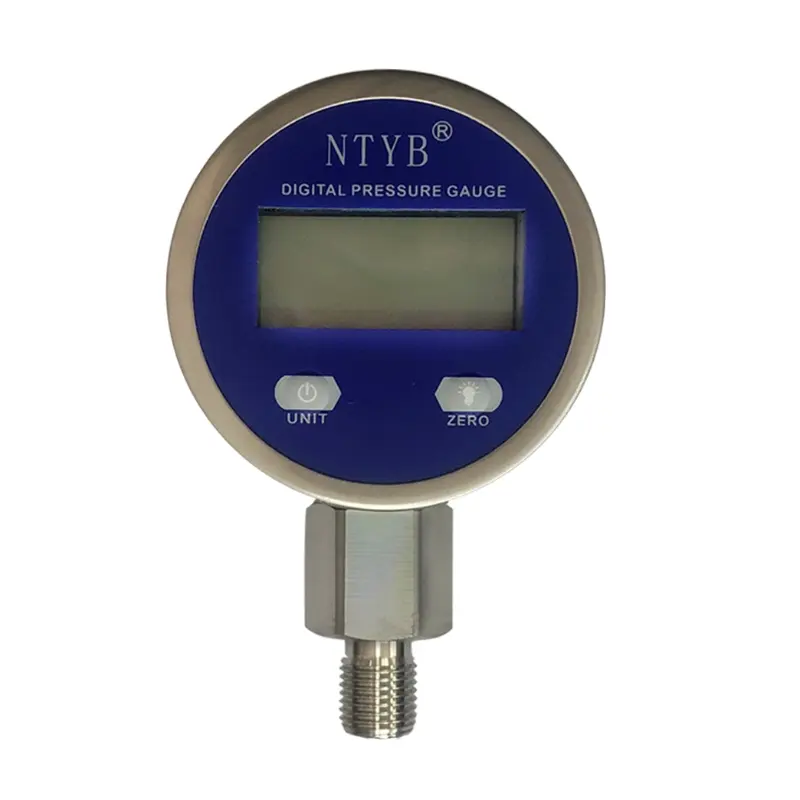
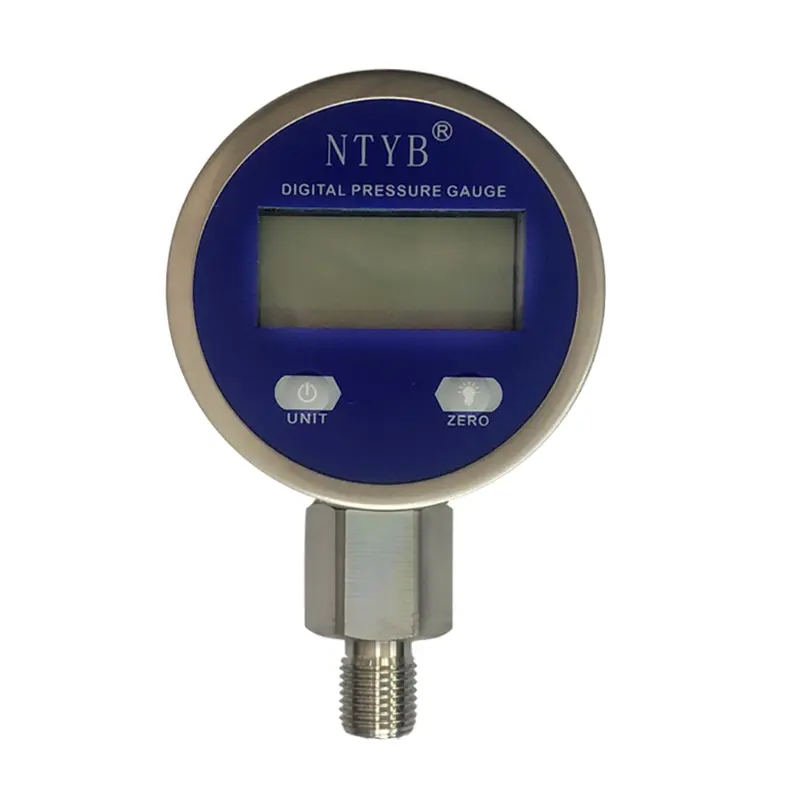
في عام 2026، سيعتمد المهندسون بشكل متزايد على البيانات المرئية لتشخيص الحالة الصحية العامة للجسم. باستخدام مقياس ضغط الماء ذو المؤشر المزدوج يسمح هذا للمشغلين بتتبع أعلى ضغط تم الوصول إليه خلال نوبة العمل، حتى لو لم يكونوا موجودين وقت حدوث الارتفاع المفاجئ.

- نصيحة عملية: أعد ضبط مؤشر الضغط الثانوي (الإبرة الحمراء) بانتظام وسجل بيانات الذروة. إذا اتسعت الفجوة بين ضغط التشغيل وضغط الذروة باستمرار، فهذا يشير إلى وجود خلل في صمام عدم الرجوع أو خلل في وحدة تحكم المضخة.
3. مكافحة آثار ارتفاعات الضغط
في الصناعات التي تعتمد بشكل كبير على المياه، تُعدّ ظاهرة "المطرقة المائية" من الأسباب الرئيسية لتلف الأجهزة الدقيقة. إذ يؤدي إغلاق الصمامات بسرعة إلى حدوث أضرار جسيمة. ارتفاعات الضغط قد يؤدي ذلك إلى تشوه أنبوب بوردون بشكل فوري. وللحد من ذلك، ينبغي على فرق الصيانة فحص وتنظيف المخمدات أو الأنابيب الشعرية شهريًا لضمان استمرار فعالية التخميد.
4. سلامة المواد ومكافحة التآكل
لضمان المتانة الخارجية، يجب أن يكون الغلاف مقاومًا للعوامل الجوية. اختيار الفولاذ المقاوم للصدأ يوفر الغلاف الحماية اللازمة ضد الأكسدة وتناثر المواد الكيميائية. مع ذلك، حتى الفولاذ عالي الجودة يحتاج إلى التنظيف. امسح أسطح العدادات بمحاليل غير كاشطة للحفاظ على وضوح ألوانها، مما يضمن قدرة المشغلين على قراءة القياسات من مسافة بعيدة دون خطأ.
مقارنة فنية: تأثير البيئة على عمر المكونات
يوضح الجدول التالي كيف تؤثر عوامل الإجهاد البيئية المختلفة على مكونات المراقبة القياسية مقابل مكونات المراقبة المعززة.
| عامل الإجهاد | تأثير المكونات القياسية | حل معزز | فترة الصيانة |
|---|---|---|---|
| الاهتزاز عالي التردد | إجهاد المعدن، اهتزاز المؤشر | مملوء بسائل قضية | افحص مستوى السائل كل 6 أشهر |
| أبخرة أكالة | صدأ خارجي، ضبابية في القرص | الفولاذ المقاوم للصدأ 316 مساكن | التنظيف الخارجي الشهري |
| تقلبات الضغط الشديدة | تشوه أنبوب بوردون | نقطة مزدوجة / مخمد داخلي | مراجعة ربع سنوية لنقاط الصفر |
| تدفقات نابضة | تآكل سريع للتروس | حركة التخميد الحركي | إعادة المعايرة السنوية |
منظور الأعمال بين الشركات: الموثوقية كمحرك للإيرادات
بالنسبة لتجار الجملة ومديري المشتريات، تُعد التكلفة الإجمالية للملكية (TCO) المقياس الأساسي للنجاح. جودة عالية مقاييس ضغط الماء تتطلب استبدالاً أقل تكراراً، مما يترجم إلى رضا أكبر للعملاء وانخفاض تكاليف دعم ما بعد البيع.
في مجال الضغط الهيدروليكي تُعدّ المراقبة الدقيقة مرادفةً للأمان. فالمقياس الذي لا يعود إلى الصفر أو يُظهر مؤشرًا "عالقًا" يُشكّل خطرًا. لذا، فإنّ وضع معايير موحدة أمرٌ ضروري. معايرة يُعدّ الجدول الزمني أمراً بالغ الأهمية. ففي عام 2026، ستشترط معظم المنشآت المصنفة ضمن المستوى الأول دورة اعتماد مدتها 12 شهراً للحفاظ على الامتثال لمعايير المنظمة الدولية للتوحيد القياسي (ISO).
من خلال الاستثمار في عمليات بناء فائقة الجودة واتباع قائمة تدقيق صارمة، يمكن للموزعين أن يضعوا أنفسهم كشركاء في النجاح التشغيلي لعملائهم، بدلاً من مجرد موردي مكونات.
الخلاصة: هندسة مستقبل مرن
يتطلب الحفاظ على أجهزة القياس في أكثر القطاعات تطلبًا في العالم مزيجًا من المعدات عالية الجودة والإشراف الدقيق. سواء كنت تدير أسطولًا من منصات الحفر البحرية أو محطة محلية لمعالجة المياه، فإن المبادئ تبقى نفسها: حماية حركة الجهاز، ومراقبة ذروات القياس، وعدم تجاهل أي انحراف في المؤشر.
الأسئلة الشائعة (FAQ)
س1. لماذا يُظهر مقياس الضغط الخاص بي قراءة ضغط طفيفة حتى عندما يكون النظام مطفأً؟
أ1: غالباً ما يحدث هذا بسبب تغير نقطة الصفر نتيجة لحدث ضغط زائد سابق أو تغيرات شديدة في درجة الحرارة. قم بإجراء فحص احترافي. معايرة لإعادة ضبط الإبرة. إذا استمر الخطأ، فقد يكون أنبوب بوردون الداخلي قد تشوه بشكل دائم، ويجب استبدال الوحدة لضمان السلامة.
س2. كيف أعرف ما إذا كان سائل التخميد الداخلي في مقياسي بحاجة إلى تغيير؟
A2: إذا بدا السائل متغير اللون (أصفر أو بني) أو إذا رأيت رواسب مرئية داخل العلبة، فقد حان وقت تغييره. فالسائل الملوث قد يزيد الاحتكاك بدلاً من تقليله. الضغط الهيدروليكي في الأنظمة، يُعد السائل النظيف ضروريًا لتتبع الذروة بدقة ومقاومة الاهتزاز.
س3. هل يمكنني استخدام مقياس قياسي لتطبيقات المياه التي تتضمن بخارًا عالي الحرارة؟
A3: المقاييس القياسية غير مصممة للتلامس المباشر مع البخار. يجب استخدام أنبوب شفط أو ملحق برج التبريد لحماية الجهاز. الأجهزة الصناعية من الصدمة الحرارية. يسمح السيفون بتكثيف البخار، مما يضمن أن الماء بدرجة حرارة الغرفة فقط هو الذي يلامس عنصر الاستشعار الداخلي.