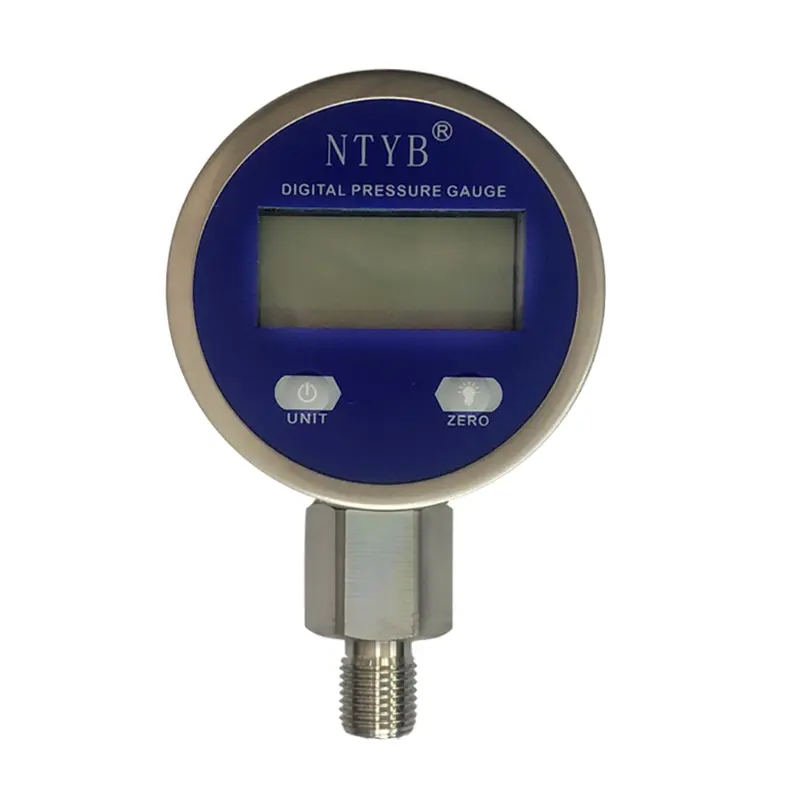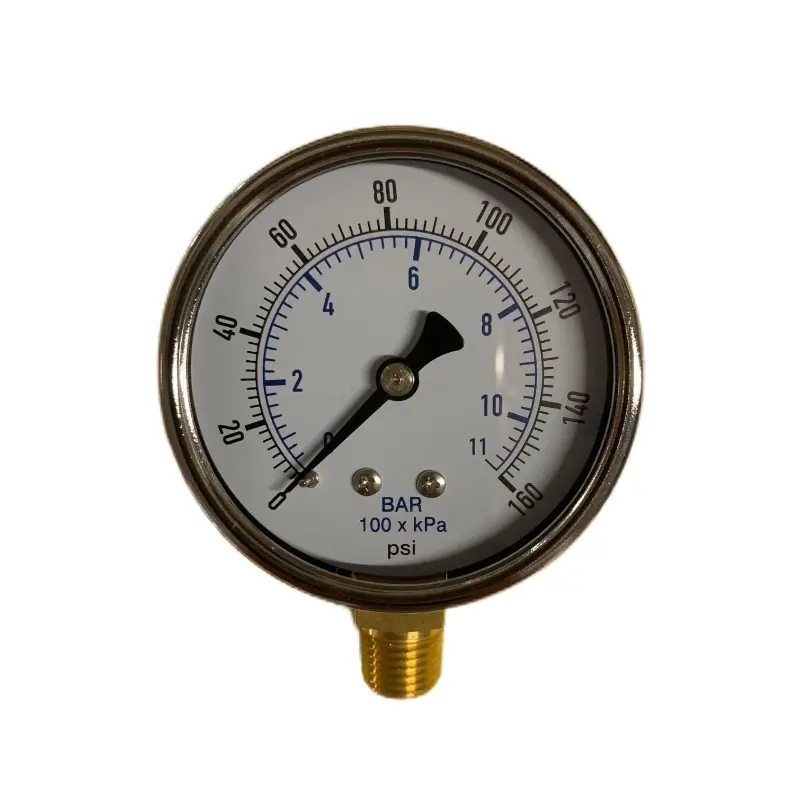


Maintenance Tips for Water Pressure Gauges in Harsh Industrial Environments
Release time: 2026-05-08
As we progress through 2026, the global manufacturing landscape has shifted toward extreme operational efficiency and zero-downtime mandates. In heavy industries—ranging from offshore mining to automated chemical processing—the reliability of Industrial Instrumentation is no longer a luxury; it is a fundamental safety requirement. Among these tools, the sensors monitoring fluid dynamics face the most grueling conditions.
This comprehensive guide explores the essential strategies for extending the lifecycle of monitoring equipment, specifically focusing on how to sustain accuracy when operating in Harsh Environments.
The Reality of Mechanical Stress in 2026
Modern industrial systems operate at higher velocities and pressures than ever before. For a standard measuring device, “harshness” is not just about temperature; it involves a trifecta of destructive forces: chronic vibration, corrosive media exposure, and sudden atmospheric shifts. To combat these, a proactive approach to Preventive Maintenance is the only way to safeguard your infrastructure.
Failure to maintain these components leads to more than just inaccurate readings; it can result in catastrophic pipe bursts or pump failures that cost thousands of dollars in unscheduled downtime.
Core Maintenance Strategies for Maximum Longevity
1. Strategic Selection and Installation
The first step in maintenance happens before the gauge is even pressurized. In high-vibration sectors, selecting a Liquid Filled housing is paramount. The internal dampening fluid (usually glycerin or silicone) protects the delicate internal movement from friction and wear. Furthermore, ensure that the connection materials match the piping to prevent galvanic corrosion—a common oversight in saline or acidic settings.
2. Monitoring Peak Surges with Advanced Indicators
In 2026, engineers increasingly rely on visual data to diagnose systemic health. Utilizing a double pointer water pressure gauges allows operators to track the highest pressure reached during a shift, even if they weren’t present when the surge occurred.

- Actionable Tip: Regularly reset the slave pointer (the red needle) and record the peak data. If the gap between operating pressure and peak pressure grows consistently, it indicates a failing check valve or an erratic pump controller.
3. Combatting the Effects of Pressure Spikes
In water-intensive industries, “Water Hammer” effects are the silent killers of precision instruments. Rapidly closing valves create massive Pressure Spikes that can deform a Bourdon tube instantly. To mitigate this, maintenance teams should inspect and clean snubbers or capillary tubes monthly to ensure the dampening effect remains functional.
4. Material Integrity and Corrosion Control
For exterior durability, the housing must resist the elements. Choosing a Stainless Steel casing provides the necessary barrier against oxidation and chemical splashes. However, even the highest-grade steel requires cleaning. Wipe down the gauge faces with non-abrasive solutions to maintain chromatic dial clarity, ensuring that operators can read measurements from a distance without error.
Technical Comparison: Impact of Environment on Component Life
The following table outlines how different environmental stressors affect standard versus reinforced monitoring components.
| Stress Factor | Standard Component Impact | Reinforced Solution | Maintenance Interval |
|---|---|---|---|
| High-Frequency Vibration | Metal fatigue, pointer jitter | Liquid Filled Case | Inspect fluid level every 6 months |
| Corrosive Vapor | External rust, dial fogging | Stainless Steel 316 Housing | Monthly external wipe-down |
| Extreme Pressure Fluctuations | Bourdon tube deformation | Double Pointer / Internal Snubber | Quarterly Zero-Point Check |
| Pulsating Flows | Rapid gear wear | Kinetic Dampening Movement | Annual Recalibration |
The B2B Perspective: Reliability as a Revenue Driver
For wholesalers and procurement managers, the total cost of ownership (TCO) is the primary metric for success. High-quality Water Pressure Gauges require less frequent replacement, which translates to higher client satisfaction and lower after-sales support costs.
In the realm of Hydraulic Pressure monitoring, precision is synonymous with safety. A gauge that fails to return to zero or shows a “sticky” needle is a liability. Therefore, establishing a standardized Calibration schedule is vital. In 2026, most Tier-1 facilities mandate a 12-month certification cycle to remain compliant with international ISO standards.
By investing in superior builds and following a rigorous check-list, distributors can position themselves as partners in their clients’ operational success, rather than just component vendors.
Conclusion: Engineering a Resilient Future
Maintaining instrumentation in the world’s most demanding sectors requires a blend of high-quality hardware and disciplined oversight. Whether you are managing a fleet of offshore rigs or a local water treatment plant, the principles remain the same: protect the movement, monitor the peaks, and never ignore a wandering needle.
Frequently Asked Questions (FAQ)
Q1. Why is my gauge showing a slight pressure reading even when the system is off?
A1: This is often caused by a shifted zero-point due to a past over-pressure event or extreme temperature changes. Perform a professional Calibration to reset the needle. If the error persists, the internal Bourdon tube may be permanently deformed and the unit should be replaced to ensure safety.
Q2. How do I know if the internal dampening fluid in my gauge needs to be changed?
A2: If the fluid appears discolored (yellowish or brown) or if you see visible sediment inside the case, it’s time for a change. Contaminated fluid can increase friction rather than reduce it. For Hydraulic Pressure systems, clean fluid is essential for accurate peak-tracking and vibration resistance.
Q3. Can I use a standard gauge for water applications involving high-temperature steam?
A3: Standard gauges are not designed for direct steam contact. You must use a pigtail siphon or a cooling tower accessory to protect the Industrial Instrumentation from thermal shock. The siphon allows steam to condense, ensuring only room-temperature water contacts the internal sensing element.