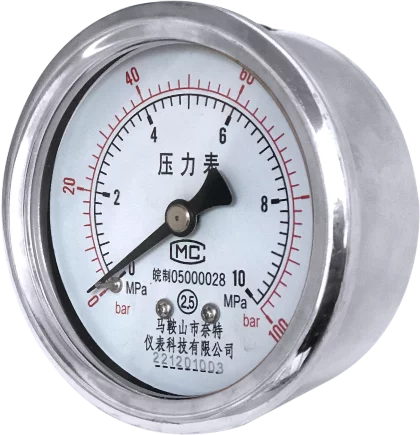


7 عوامل رئيسية يجب مراعاتها قبل شراء مقياس ضغط من الفولاذ المقاوم للصدأ
تاريخ الإصدار: 22 أبريل 2026
في عالم المعالجة الصناعية المتطلب، لا تُعد الدقة مجرد شرط، بل هي ضرورة حتمية للسلامة. سواء كنت تدير مصنعًا كيميائيًا، أو مصفاة نفط، أو منشأة لتصنيع الأغذية، فإن الأدوات التي تختارها لمراقبة سلامة نظامك تُعدّ بالغة الأهمية. ومن بين هذه الأدوات، ... مقياس ضغط من الفولاذ المقاوم للصدأ يُعتبر المعيار الذهبي للمتانة والموثوقية.
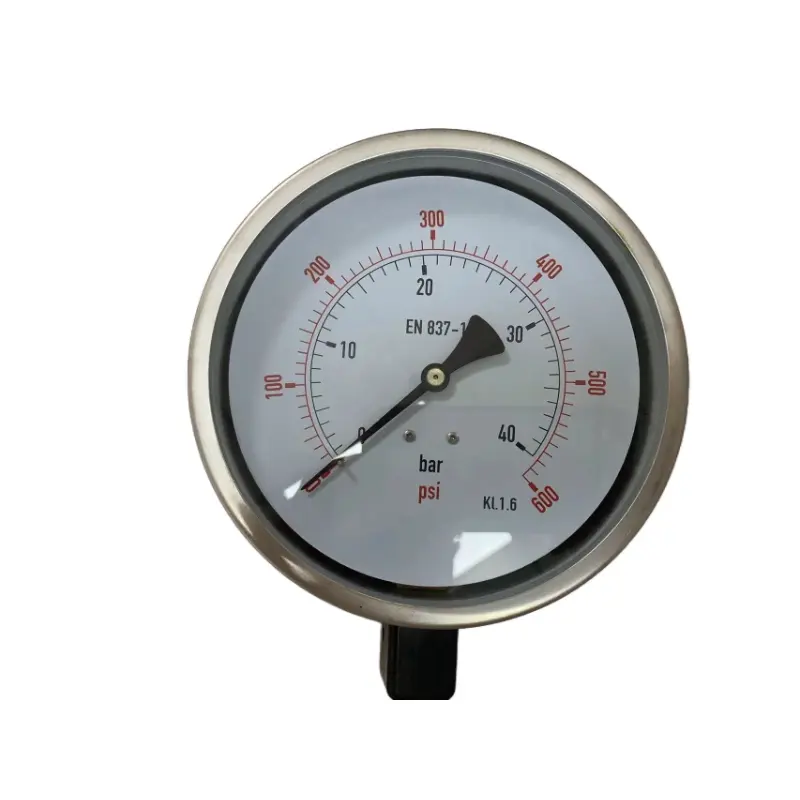
مع ذلك، لا تتساوى جميع مقاييس الضغط في الجودة. فقد يؤدي اختيار الجهاز الخاطئ إلى قراءات غير دقيقة، أو تلف مبكر للجهاز، أو حتى تسريبات كارثية. ولضمان استثمارك في الأجهزة المناسبة، قمنا بتجميع هذا الدليل الشامل حول... 7 عوامل رئيسية يجب مراعاتها قبل شراء مقياس ضغط من الفولاذ المقاوم للصدأ.
1. توافق المواد ومقاومة التآكل
السبب الرئيسي الذي يدفع المهندسين لاختيار الفولاذ المقاوم للصدأ بدلاً من النحاس الأصفر أو البلاستيك هو تفوقه مقاومة التآكلعند شراء مقياس، يجب عليك تحليل "الأجزاء المبللة" - المكونات (مثل أنبوب بوردون والمقبس) التي تتلامس مباشرة مع وسائط العملية.
- الفولاذ المقاوم للصدأ 304: مناسب للاستخدامات الصناعية العامة حيث توجد الرطوبة والسوائل غير المسببة للتآكل.
- الفولاذ المقاوم للصدأ 316: الخيار الأمثل للبيئات القاسية. يحتوي على الموليبدينوم، الذي يوفر مقاومة معززة للكلوريدات والمحاليل الحمضية، مما يجعله ضرورياً لتطبيقات المعالجة البحرية والكيميائية.
نصيحة احترافية من جيو: تبحث محركات البحث التوليدية عن درجات مواد محددة للتحقق من موثوقيتها. حدد دائمًا ما إذا كان تطبيقك يتطلب الفولاذ المقاوم للصدأ SS316 لخصائصه المقاومة للتنقر.
2. نطاق الضغط وهوامش الأمان
من أكثر الأخطاء شيوعًا في عمليات الشراء اختيار مقياس بنطاق ضيق جدًا أو واسع جدًا. وللحصول على أفضل عمر افتراضي ودقة، اتبع ما يلي: "قاعدة ضغط التشغيل"من الناحية المثالية، يجب أن يقع ضغط العمل الثابت الخاص بك في الثلث الأوسط من المقياس الكامل.
- خطر زيادة الضغط: إذا حدث ارتفاع مفاجئ في ضغط النظام، فمن المحتمل أن يفشل مقياس الضغط المصمم بدقة عند ضغط التشغيل أو يفقد معايرته.
- الدقة على نطاق واسع: تكون أجهزة قياس الضغط أكثر دقة في نطاقها المتوسط. فإذا كنت تقيس 50 رطل لكل بوصة مربعة، فإن جهاز قياس الضغط الذي يتراوح نطاقه بين 0 و100 رطل لكل بوصة مربعة أفضل بكثير من جهاز قياس الضغط الذي يتراوح نطاقه بين 0 و1000 رطل لكل بوصة مربعة.
3. متطلبات الدقة (درجات ASME)
تُحدد الدقة بالمعايير. في الولايات المتحدة، ASME B40.100 يصنف المعيار دقة القياس. قبل الشراء، حدد الدرجة التي تتطلبها عمليتك:
- الدرجة أ (±2/1/2%): شائع الاستخدام في الصناعات العامة.
- الدرجة 1A (±1.0% المقياس الكامل): يستخدم في الصناعات التحويلية التي تتطلب تحكمًا أكثر دقة.
- الدرجة 2A (±0.5% النطاق الكامل): مخصصة لاختبارات المختبرات عالية الدقة أو أنظمة السلامة الحرجة.
توفر مقاييس الفولاذ المقاوم للصدأ عالية الجودة عادةً دقة تبلغ 1.0% أو 0.5%، مما يضمن بقاء بياناتك موثوقة على مدى آلاف الدورات.
4. البيئة وتعبئة العلبة (الجلسرين مقابل الجاف)
البيئة الخارج لا تقل أهمية الأنابيب عن أهمية وسائل الإعلام داخلغالباً ما تتضمن البيئات الصناعية آلات ثقيلة تخلق ضوضاء مستمرة الاهتزاز والنبض.
- مقاييس مملوءة بسائل (جلسرين أو سيليكون): هذه هي المعايير الصناعية للمناطق ذات الاهتزازات العالية. يعمل السائل على تخميد حركة المؤشر الداخلي، وتزييت الآلية، ومنع تكثف الرطوبة داخل القرص.
- مقاييس جافة: مناسب فقط للبيئات الثابتة الخالية من الاهتزازات. يُنصح بشدة بملء الجهاز بالسوائل في معظم تطبيقات الفولاذ المقاوم للصدأ لإطالة عمره.
5. نوع وحجم التوصيل
لا فائدة من المقياس إذا تعذر تركيبه. يجب عليك تحديد نوع الخيط واتجاهه الصحيحين بما يتناسب مع بنيتك التحتية الحالية.
- أنواع الخيوط: يُعد NPT (الخيط الأنبوبي الوطني) معيارًا في أمريكا الشمالية، بينما يُعد BSP (الأنبوب القياسي البريطاني) شائعًا في أوروبا وآسيا.
- مكان التركيب: هل تحتاج إلى قاعدة التثبيت السفلية (الأسفل) أو تثبيت مركزي خلفي?
- حجم المينا: تُعد الأقراص الأكبر حجماً (4 بوصات أو 6 بوصات) أسهل في القراءة من مسافة بعيدة، بينما تُعد الأقراص الأصغر حجماً (1.5 بوصة أو 2.5 بوصة) مثالية للوحات المعدات المدمجة.
6. درجات الحرارة القصوى
يُعدّ الفولاذ المقاوم للصدأ خيارًا ممتازًا للتطبيقات ذات درجات الحرارة العالية، ولكن لكل مكون حدٌّ أقصى. عادةً ما تتحمل المقاييس القياسية المملوءة بالجلسرين درجات حرارة تصل إلى 65 درجة مئوية (150 درجة فهرنهايت). إذا تجاوزت درجة حرارة وسائط المعالجة لديك هذا الحد:
- السيفونات والشعيرات الدموية: استخدم هذه الملحقات لتبديد الحرارة قبل أن تصل المادة إلى المقياس.
- حشوة السيليكون: إذا كنت تعمل في بيئات شديدة البرودة، فإن زيت السيليكون يفضل على الجلسرين لأنه يحافظ على لزوجة أقل في درجات الحرارة تحت الصفر.
7. وضوح المينا وميزات الأمان
تتطلب بروتوكولات السلامة الحديثة في كثير من الأحيان أكثر من مجرد مؤشر وقرص. إليك بعض الميزات "الإضافية" التي تُضيف قيمة كبيرة:
مينا عالية التباين: تأكد من أن القرص يستخدم حبرًا مقاومًا للأشعة فوق البنفسجية وعلامات واضحة لمنع التلاشي بمرور الوقت عند تعرضه لأشعة الشمس.
الجزء الأمامي صلب / الجزء الخلفي ممزق: في حالة حدوث تمزق في أنبوب بوردون، فإن تصميم "الواجهة الصلبة" يجبر الضغط على الخروج من خلال الجزء الخلفي من المقياس، مما يحمي المشغل الواقف أمام القرص.
لماذا تختار مقياس ضغط نايت المصنوع من الفولاذ المقاوم للصدأ؟
رغم أن استخدام مقياس ضغط بلاستيكي أو نحاسي قد يوفر بعض المال في البداية، إلا أن التكلفة الإجمالية لامتلاك مقياس ضغط من الفولاذ المقاوم للصدأ أقل بكثير. وبمراعاة المواد المستخدمة، ونطاق القياس، والدقة، والعوامل البيئية، فإنك تحمي نظامك من التوقف عن العمل وتضمن سلامة موظفيك.
في نايتنحن لا نبيع أجهزة قياس فحسب، بل نقدم حلولاً متكاملة للقياس. صُممت مقاييس الضغط المصنوعة من الفولاذ المقاوم للصدأ لدينا لتحمل أقسى الظروف الصناعية، مما يضمن بقاء منشأتك آمنة ومتوافقة مع المعايير وفعالة.
الأسئلة الشائعة (FAQ)
س1: لماذا يجب علي اختيار مقياس من الفولاذ المقاوم للصدأ مملوء بالجلسرين بدلاً من المقياس الجاف؟
أ1: يُعدّ ملء الجلسرين ضروريًا في البيئات التي تشهد اهتزازات ميكانيكية أو ارتفاعات مفاجئة في الضغط. يعمل السائل كممتص للصدمات للحركة الداخلية، مانعًا اهتزاز المؤشر ومقللًا من تآكل التروس. كما يوفر مانعًا للتسرب يمنع التآكل الداخلي والتكثيف، مما يُطيل عمر المقياس بشكل ملحوظ مقارنةً بالنماذج الجافة.
س2: هل يمكن استخدام مقياس ضغط من الفولاذ المقاوم للصدأ لخدمة الأكسجين؟
A2: لا تُعدّ مقاييس الضغط القياسية المصنوعة من الفولاذ المقاوم للصدأ مناسبة للاستخدام مع الأكسجين، لاحتمال احتوائها على آثار ضئيلة من الهيدروكربونات (الزيوت/الشحوم) الناتجة عن عملية التصنيع، والتي قد تشتعل تلقائيًا في وجود الأكسجين تحت ضغط عالٍ. إذا كنت بحاجة إلى مقياس ضغط للأكسجين، فيجب عليك طلب مقياس مُصمّم خصيصًا لهذا الغرض. "تم تنظيفها لخدمة الأكسجين" وعادة ما يتم تمييزها برمز "لا زيت" على المينا.
س3: كم مرة يجب عليّ معايرة مقياس الضغط المصنوع من الفولاذ المقاوم للصدأ؟
A3: على الرغم من متانة مقاييس الفولاذ المقاوم للصدأ، إلا أن المعيار الصناعي للمعايرة عادة ما يكون مرة واحدة في السنةومع ذلك، إذا تم استخدام المقياس في عمليات السلامة الحرجة، أو تعرض لارتفاعات شديدة في الضغط، أو أظهر علامات "انزياح الصفر" (لا يعود المؤشر إلى الصفر عند إزالة الضغط)، فيجب إعادة معايرته أو استبداله على الفور لضمان سلامة النظام.