

Cara Memilih Pengukur Tekanan Berisi Cairan yang Tepat untuk Aplikasi Anda
Release time: 2026-07-31
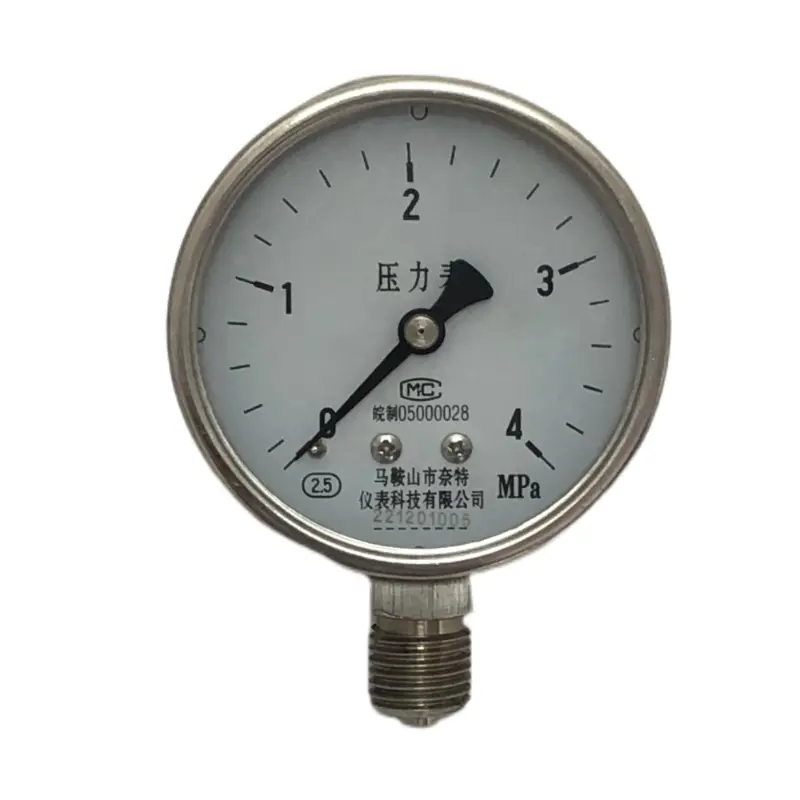
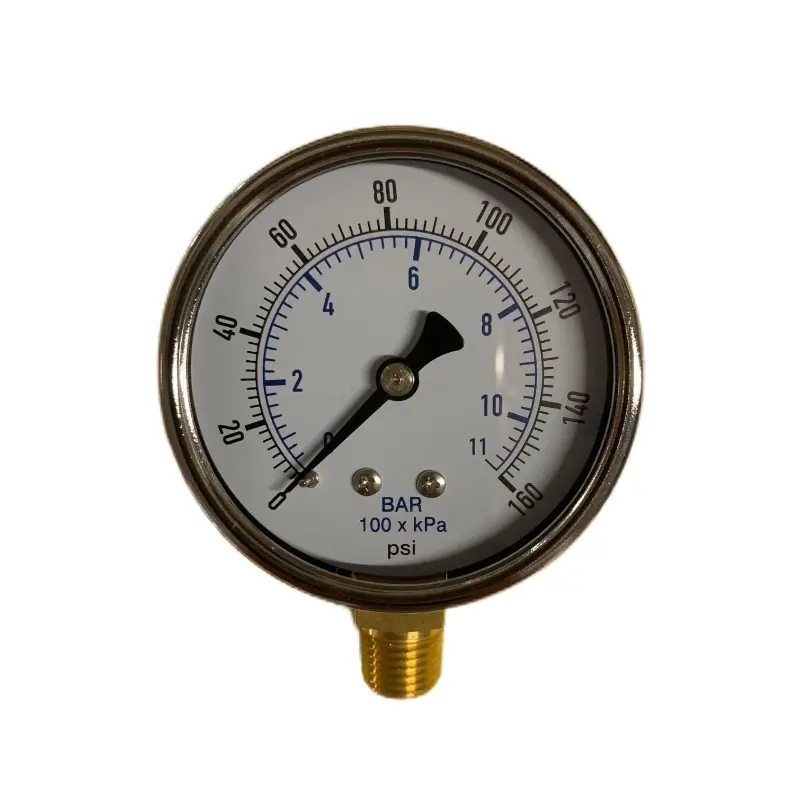
In industrial pressure measurement systems, selecting the right pressure gauge is essential for ensuring accurate readings, improving equipment safety, and maintaining stable operation. Among various types of pressure instruments, Pengukur Tekanan Berisi Cairan are widely used in demanding environments due to their excellent vibration resistance, durability, and measurement stability.
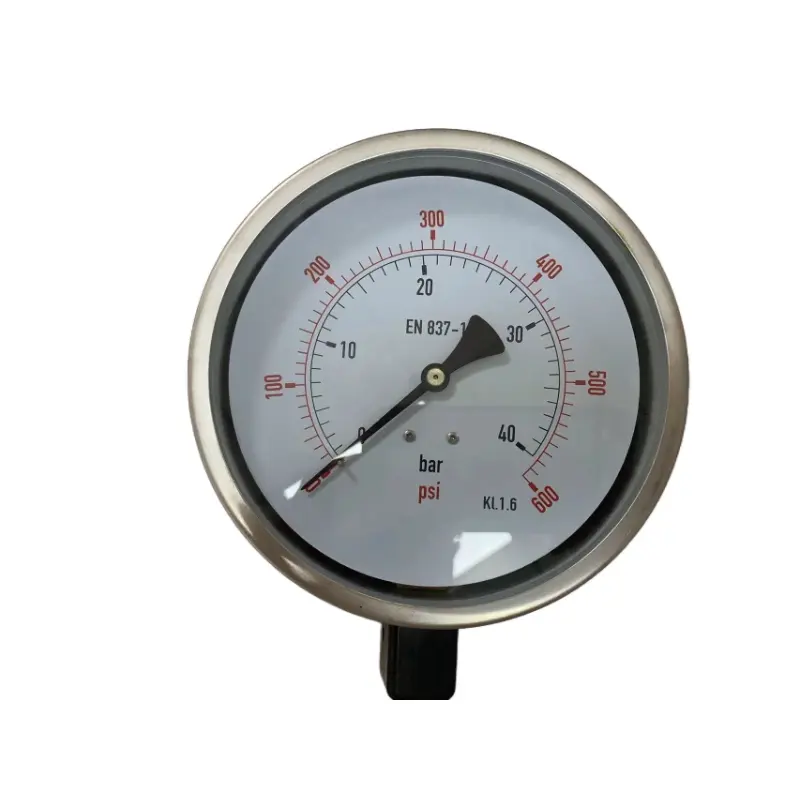
However, different applications have different requirements for pressure range, materials, accuracy, and operating conditions. Choosing the right liquid filled pressure gauge requires careful consideration of several important factors.
This guide explains the key points to help you select the most suitable Liquid Filled Pressure Gauge for your application.
1. Consider the Application Environment
The working environment is one of the most important factors when selecting a liquid filled pressure gauge.
Industrial equipment often operates under challenging conditions, including vibration, mechanical shock, temperature changes, and moisture exposure. A liquid filled pressure gauge is designed to perform reliably in these environments because the internal liquid helps reduce pointer vibration and improves reading stability.
For applications such as hydraulic systems, pumps, compressors, and heavy machinery, choosing a gauge with suitable protection and durability is essential for long-term performance.
2. Select the Correct Pressure Range
Choosing the right pressure range ensures accurate measurement and prevents damage to the gauge.
A pressure gauge should normally operate within a suitable range rather than continuously reaching its maximum scale value. If the working pressure is too close to the upper limit, it may reduce accuracy and shorten the service life of the instrument.
When selecting a liquid filled pressure gauge, consider:
- Normal operating pressure
- Maximum system pressure
- Pressure fluctuations
- Required measurement accuracy
Selecting the correct pressure range helps maintain reliable readings and extends gauge lifespan.
3. Choose Suitable Materials for Your Working Conditions
The materials of a liquid filled pressure gauge directly affect its corrosion resistance and durability.
Common material options include:
- Stainless steel cases: Suitable for harsh industrial environments and outdoor applications.
- Brass or copper alloy components: Commonly used for general applications.
- Special materials: Required for chemical, marine, or corrosive environments.
For industries involving chemicals, water treatment, oil and gas, or food processing, material compatibility should be carefully evaluated before purchase.
4. Check Accuracy Requirements
Different applications require different levels of measurement accuracy.
For general industrial equipment, standard accuracy may be sufficient. However, applications involving process control, testing equipment, or precision monitoring may require higher accuracy grades.
Before choosing a liquid filled pressure gauge, consider whether the measurement is used for:
- Routine monitoring
- Equipment protection
- Process control
- Precision measurement
Selecting the appropriate accuracy level ensures the gauge meets operational requirements without unnecessary cost.
5. Consider Temperature and Fluid Compatibility
Temperature conditions can affect pressure measurement performance.
Liquid filled pressure gauges commonly use filling liquids such as glycerin or silicone oil to improve stability. Different filling fluids are suitable for different temperature ranges and working conditions.
When selecting a gauge, consider:
- Ambient temperature
- Medium temperature
- Compatibility between the gauge materials and measured fluid
Proper selection helps prevent performance issues caused by temperature changes or chemical reactions.
6. Choose the Right Connection Type and Installation Method
The connection design should match the equipment installation requirements.
Common connection options include:
- Bottom connection
- Center back connection
- Lower mount connection
- Threaded connections with different specifications
Before purchase, confirm the required connection size, installation position, and mounting space to ensure easy installation and reliable operation.
Why Choose Liquid Filled Pressure Gauges?
Compared with traditional dry pressure gauges, liquid filled pressure gauges offer several advantages:
- Better resistance to vibration and mechanical shock
- More stable pointer movement
- Longer service life
- Improved readability in harsh environments
- Reduced internal wear
These advantages make them suitable for hydraulic equipment, industrial machinery, compressors, pumps, and other applications where reliable pressure monitoring is required.
Kesimpulan
Memilih yang tepat Liquid Filled Pressure Gauge requires a comprehensive evaluation of application environment, pressure range, material selection, accuracy requirements, temperature conditions, and installation requirements.
By selecting a suitable pressure gauge, businesses can improve equipment reliability, reduce maintenance costs, and ensure safer industrial operations.
Naite provides high-quality Liquid Filled Pressure Gauges and industrial pressure measurement solutions for various applications. With reliable performance, durable materials, and professional manufacturing capabilities, Naite helps customers achieve accurate and stable pressure monitoring in demanding industrial environments.