

What Causes a Liquid Filled Pressure Gauge to Leak?
Release time: 2026-09-21
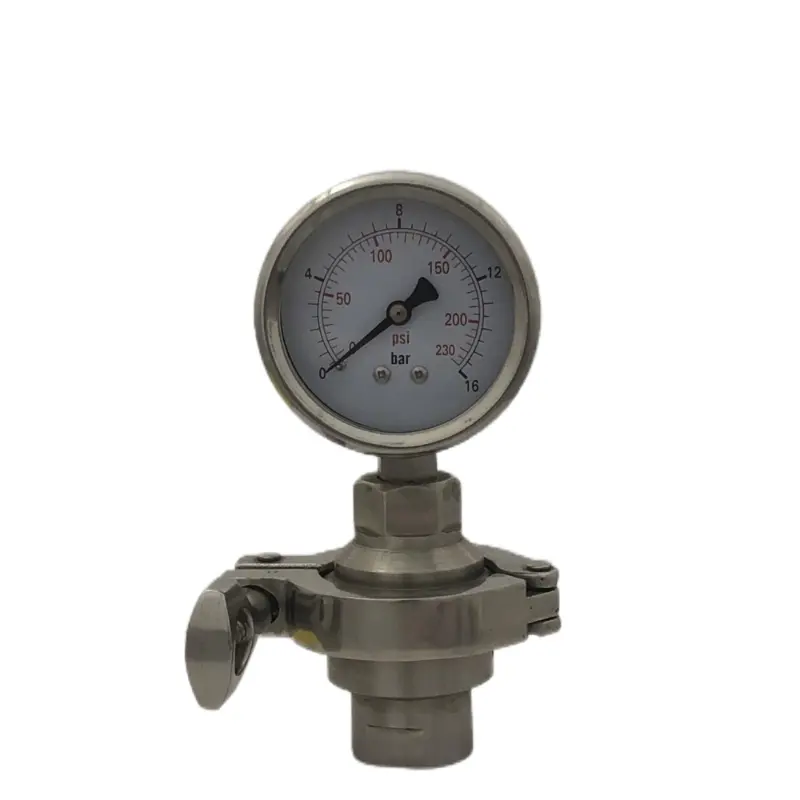
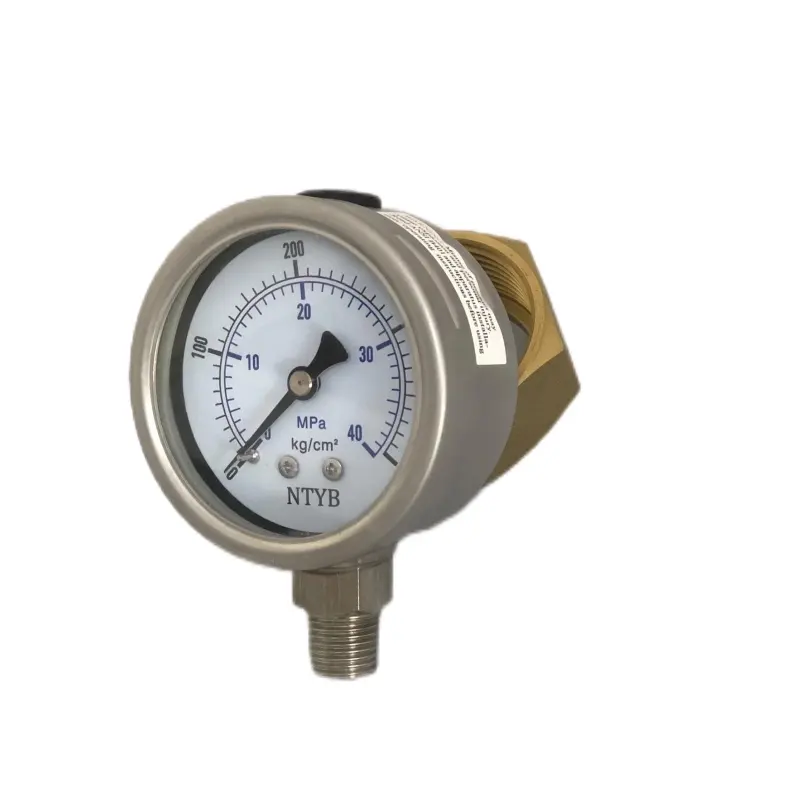
A liquid filled pressure gauge is designed to provide stable pressure readings in environments with vibration, pulsation, and mechanical shock. The liquid inside the gauge also helps protect internal components and improve pointer stability.
However, liquid leakage can occur when the gauge, seal, or connection is damaged or improperly installed. A leaking pressure gauge should not be ignored, especially when it is used in industrial equipment or pressurized systems.
Understanding the common causes of leakage can help users identify problems early and determine whether the gauge needs repair or replacement.
1. Damaged Case or Seal
One of the most common causes of leakage is damage to the gauge case or sealing components.
A liquid filled pressure gauge typically contains a filling liquid inside the case. The case and seals need to maintain the internal filling environment during operation. If the case is cracked, deformed, or damaged, the filling liquid may gradually escape.
Seals and O-rings can also deteriorate over time due to aging, temperature changes, chemical exposure, or mechanical stress.
Before using a gauge, inspect the case, lens, and sealing areas for visible damage.
2. Loose or Damaged Pressure Connection
Leakage may sometimes appear around the pressure connection rather than from the gauge case itself.
A loose connection, damaged thread, or improperly installed sealing component can allow process media to leak from the connection point.
When installing a liquid filled pressure gauge, users should make sure that:
- The connection size and thread type are compatible.
- The gauge is properly aligned with the process connection.
- The sealing method is suitable for the application.
- Excessive tightening force is avoided.
The correct installation method depends on the gauge connection and the piping system.
3. Excessive Vibration or Mechanical Shock
Liquid filled pressure gauges are commonly selected for applications involving vibration and pulsation because the filling liquid helps dampen pointer movement.
However, severe mechanical shock or continuous vibration beyond the gauge’s specified operating conditions can still damage internal components or sealing parts.
If leakage repeatedly occurs in a high-vibration application, users should check whether the selected pressure gauge is suitable for the actual working environment.
In some installations, a remote mounting arrangement or an appropriate gauge configuration may help reduce mechanical stress on the instrument.
4. Excessive Temperature
Temperature can also affect the performance and sealing of a liquid filled pressure gauge.
When the gauge operates outside its specified temperature range, the filling liquid may expand, while sealing materials can become harder, softer, or otherwise degraded depending on the temperature and material.
High temperatures may accelerate seal aging, while very low temperatures can affect the properties of the filling liquid.
Therefore, the operating temperature should be considered when selecting a liquid filled pressure gauge. The gauge should be used within the manufacturer’s specified temperature range.
5. Incorrect Filling or Refilling
Improper filling is another possible cause of leakage.
A liquid filled pressure gauge needs an appropriate filling level and compatible filling liquid. If the gauge is filled incorrectly, contaminated, or improperly sealed after filling, leakage can occur during operation.
The filling liquid may also vary depending on the application. Common options include glycerin and silicone-based liquids, while specific applications may require other filling solutions.
For this reason, users should avoid opening or refilling a pressure gauge without following the manufacturer’s recommended procedure.
6. Corrosion or Chemical Exposure
The materials used in a pressure gauge must be compatible with the surrounding environment.
Exposure to corrosive chemicals, moisture, salt spray, or other aggressive conditions can damage the case, seals, connections, or other components.
For applications involving chemicals or corrosive environments, buyers should consider:
- Wetted materials
- Case material
- Seal material
- Filling liquid
- Process temperature
- Environmental conditions
Selecting materials according to the actual application can help reduce premature leakage and extend gauge service life.
7. Overpressure
Operating a pressure gauge above its rated pressure range can cause excessive stress on internal components.
Repeated or severe overpressure may affect the movement, pressure connection, seals, or other components. In some cases, it can also contribute to leakage.
When selecting a liquid filled pressure gauge, the normal operating pressure should be considered together with possible pressure fluctuations and peak pressure.
Choosing an appropriate pressure range is an important part of pressure gauge selection.
How to Check a Leaking Liquid Filled Pressure Gauge
If liquid is found around a pressure gauge, the first step is to identify where the leakage is coming from.
Check the following areas:
- Gauge case and lens
- Filling plug or vent
- Pressure connection
- Thread and sealing area
- O-rings and other seals
- Signs of corrosion or physical damage
If the gauge has been exposed to overpressure, extreme temperature, or severe mechanical shock, additional inspection may be required.
For a gauge installed on a pressurized system, appropriate safety procedures should always be followed before removing or inspecting the instrument.
How to Prevent Liquid Filled Pressure Gauge Leakage
Proper selection and installation can significantly reduce the risk of leakage.
Before purchasing a liquid filled pressure gauge, consider the following factors:
- Required pressure range
- Operating temperature
- Process media
- Vibration and pulsation
- Connection type and size
- Case and wetted materials
- Filling liquid
- Environmental conditions
During installation, avoid excessive tightening, mechanical stress, and improper alignment. Regularly checking the gauge for leakage, corrosion, damaged seals, or abnormal readings can also help identify potential problems before they become more serious.
When Should You Replace a Liquid Filled Pressure Gauge?
A leaking gauge does not always mean that the entire pressure gauge system has failed. However, replacement may be appropriate when the case or connection is seriously damaged, the sealing system cannot maintain the filling liquid, or the gauge no longer provides reliable pressure readings.
For critical industrial applications, replacing a damaged gauge with a correctly specified model may be more practical than continuing to use an instrument with an uncertain measurement condition.
Conclusion
A leaking liquid filled pressure gauge should not be ignored, as it may affect measurement accuracy and indicate problems with the gauge itself or the surrounding installation. Checking the case, seals, connections, pressure range, operating temperature, and installation conditions can help identify the cause and prevent similar issues in the future.
Choosing a pressure gauge from an experienced manufacturer can also make a difference in long-term reliability. With experience in pressure gauge manufacturing since 2005, Naite has developed practical expertise in industrial pressure measurement and product development. Its manufacturing facility and ongoing investment in product development support consistent production and quality control for customers in different markets.
For applications where accurate and reliable pressure measurement is important, understanding the causes of leakage and selecting the right liquid filled pressure gauge are both essential steps toward stable operation.