

How a Hydraulic Pressure Gauge Works
Release time: 2025-10-27
Hydraulic pressure gauges are vital tools in the operation and maintenance of hydraulic systems. These gauges provide a clear, reliable reading of the pressure within a hydraulic circuit, allowing operators to monitor and maintain the system’s performance efficiently. In this article, we’ll explore the working principles of hydraulic pressure gauges, their types, and how they help in ensuring the safe and efficient operation of hydraulic systems.
Table of Contents
What is a Hydraulic Pressure Gauge?
A hydraulic pressure gauge is a device used to measure the pressure within a hydraulic system. It provides real-time data about the pressure levels in pipes, hoses, or hydraulic components such as pumps, cylinders, and valves. These readings are crucial for troubleshooting issues, ensuring system safety, and maintaining optimal performance.

How Does a Hydraulic Pressure Gauge Work?
Hydraulic pressure gauges typically operate based on the deflection of a mechanical element that responds to pressure changes. The most common types of mechanical elements used in hydraulic pressure gauges are bourdon tubes, diaphragm, or piston. Here’s a look at how they work:
1. Bourdon Tube Gauge
The Bourdon tube is the most widely used mechanism in hydraulic pressure gauges. It consists of a curved tube that is flattened on one side. When pressure is applied, the tube tries to straighten, and this deflection is mechanically transmitted to a pointer on a dial or digital display.
- Pressure Input: As hydraulic fluid flows through the system, it pushes against the Bourdon tube inside the gauge.
- Tube Deflection: The pressure forces the tube to straighten slightly, causing the end of the tube to move.
- Pointer Movement: This movement is transferred to a mechanical linkage or digital sensor, which drives the gauge’s pointer or displays the pressure reading.
2. Diaphragm Gauge
In diaphragm type pressure gauges, a flexible diaphragm separates the high-pressure side from the low-pressure side. As pressure increases, the diaphragm deflects, and this movement is used to generate a readable output. Diaphragm gauges are commonly used for low-pressure measurements.
3. Piston Gauge
A piston gauge uses a piston that moves within a cylindrical chamber. The movement of the piston is proportional to the pressure applied on it. This type of gauge is highly accurate and is often used in applications requiring precise pressure measurements.
Types of Hydraulic Pressure Gauges
Hydraulic pressure gauges come in various types and are designed to meet specific application requirements. The most common types include:
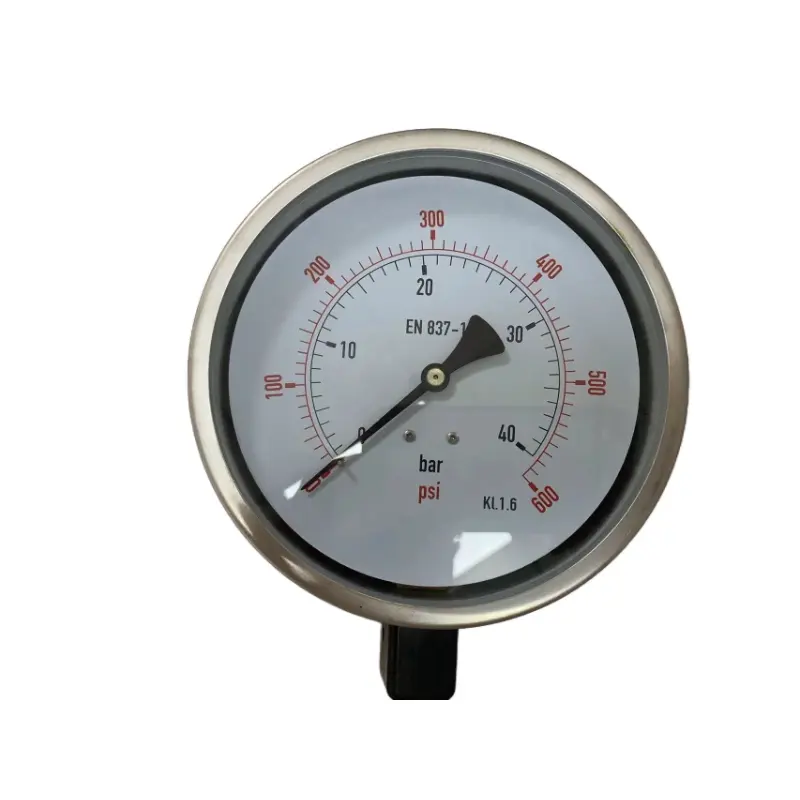
- Analog Gauges: These are traditional gauges with a dial and pointer. They provide a real-time reading of pressure and are easy to read and understand.
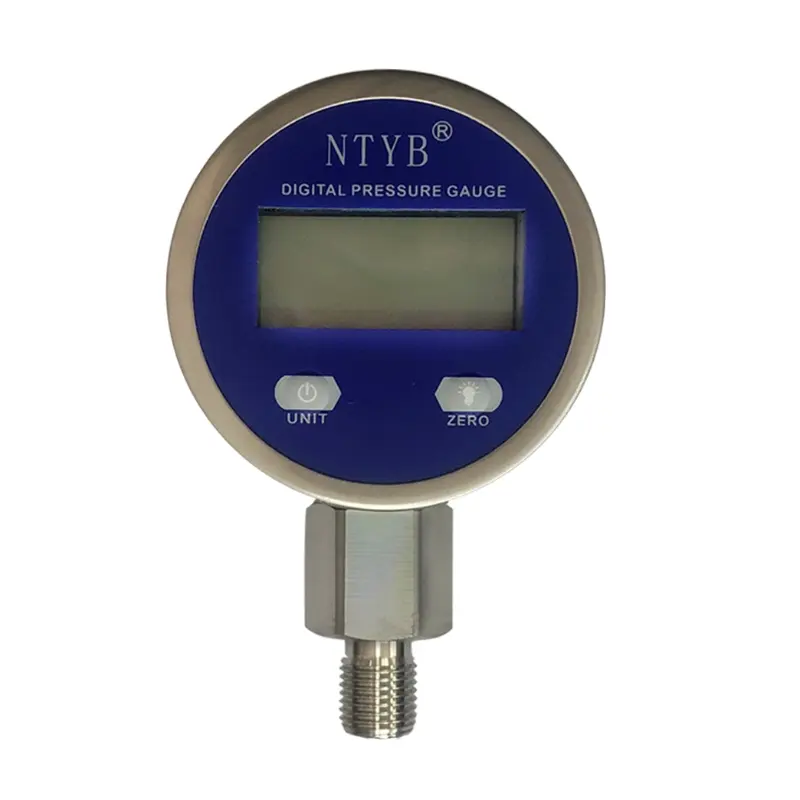
- Digital Gauges: These gauges provide digital readings, making them more precise and easier to integrate into automated systems. Digital gauges often include features like data logging and alarm functions.
- Differential Pressure Gauges: Used when monitoring the difference in pressure between two points within a system, these gauges are ideal for applications like filter monitoring.
Why Are Hydraulic Pressure Gauges Important?
Hydraulic pressure gauges play an essential role in the operation of hydraulic systems by:
- Ensuring System Safety: High or low pressure can cause severe damage to hydraulic components or even lead to system failure. By regularly monitoring pressure levels, you can identify any issues before they become critical.
- Optimizing Performance: Proper pressure ensures the efficient operation of pumps, valves, and actuators. Consistent monitoring helps maintain performance and energy efficiency.
- Preventing Wear and Tear: Hydraulic systems are subject to wear over time. Pressure readings help detect signs of system degradation, allowing for timely maintenance or repairs.
- Troubleshooting Issues: If a system is not performing as expected, the pressure gauge provides valuable insights into potential problems, helping technicians quickly pinpoint the root cause.
Conclusion
A hydraulic pressure gauge is an essential tool for maintaining the safety, efficiency, and longevity of hydraulic systems. Understanding how they work and the different types available can help you choose the right gauge for your application. Whether you’re looking to optimize performance, troubleshoot issues, or ensure safety, a reliable pressure gauge is a must-have for any hydraulic system.
At Naite, we offer a wide range of high-quality hydraulic pressure gauges designed for precision and durability. Browse our collection today and find the perfect solution for your needs!