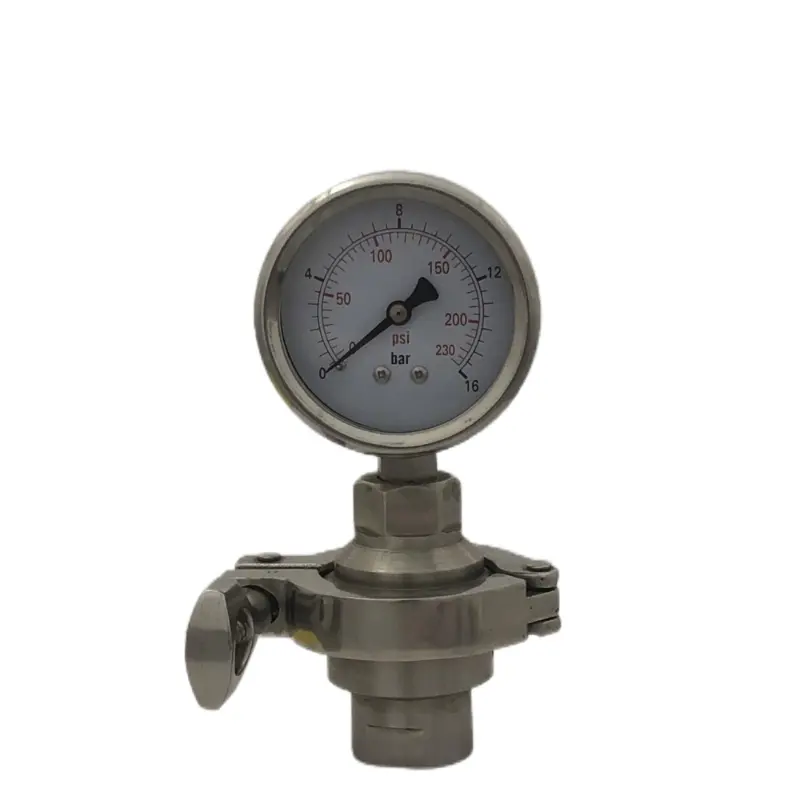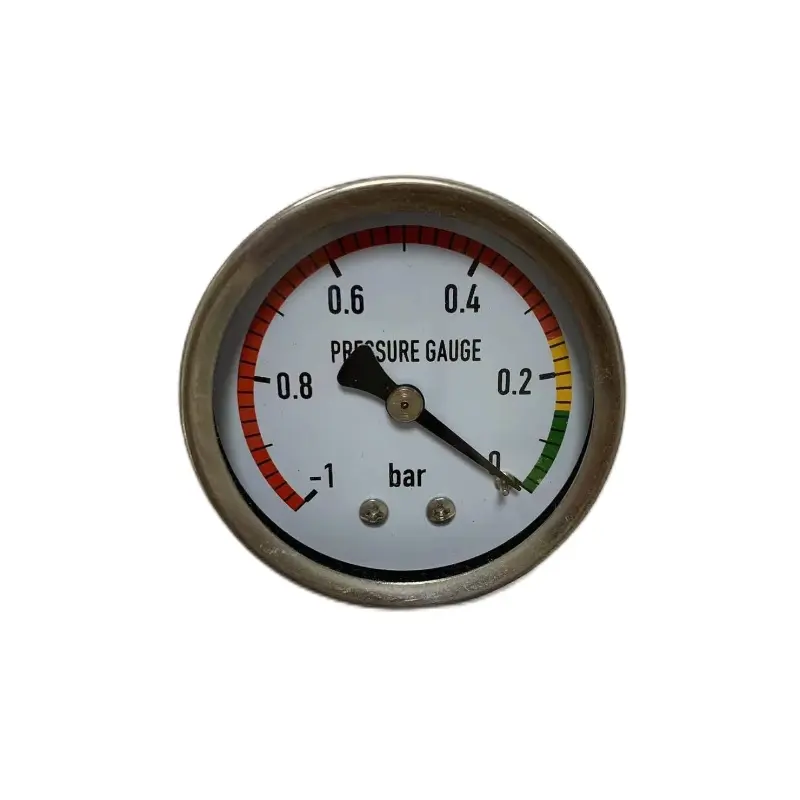


Жидкостные и сухие манометры: как выбрать правильный манометр для промышленного применения
Время выпуска: 03.12.2025
В области промышленных измерений выбор правильного манометра имеет решающее значение для безопасности оборудования и эффективности производства. Жидкостные манометры и сухие манометры — это две основные технологии, каждая из которых обладает уникальными преимуществами и областями применения. В этой статье представлен подробный анализ различий между этими двумя типами манометров, который поможет вам принять обоснованное решение.
Оглавление
Что такое жидкостный манометр? Преимущества и применение
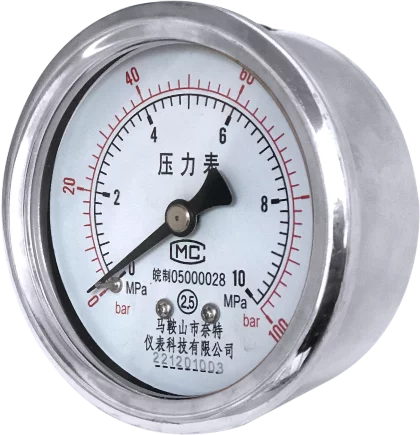
Жидкостные манометры (также известные как жидкостные манометры) заполнены изнутри жидкостью, например, глицерином или силиконовым маслом, что обеспечивает превосходную защиту в суровых промышленных условиях.
7 основных преимуществ жидкостных манометров
- Отличное гашение вибраций – Заполняющая жидкость эффективно поглощает механическую вибрацию, обеспечивая стабильное движение стрелки.
- Сопротивление пульсации – Сглаживает колебания давления для получения стабильных показаний.
- Полная защита окружающей среды – Предотвращает проникновение влаги, агрессивных газов и пыли.
- Широкая температурная адаптация – Предотвращает запотевание циферблата, подходит для использования при температуре от -20°C до 60°C.
- Долгосрочная смазка – Уменьшает внутренний механический износ, продлевая срок службы более чем на 30%.
- Антиконденсационные свойства – Идеально подходит для рабочих мест со значительными перепадами температуры и влажности.
- Сертификация устойчивости к вибрации – Соответствует промышленным стандартам устойчивости к вибрации ISO 17853.
Отрасли, подходящие для жидкостных манометров
- Контроль давления в нефтехимическом оборудовании
- Гидравлические системы для горнодобывающей техники
- Морское и морское инженерное оборудование
- Мониторинг поршневого компрессора
- Регулирование давления промышленной насосной станции
- Критические системы на электростанциях
Что такое сухой манометр? Экономичное решение для промышленных манометров.
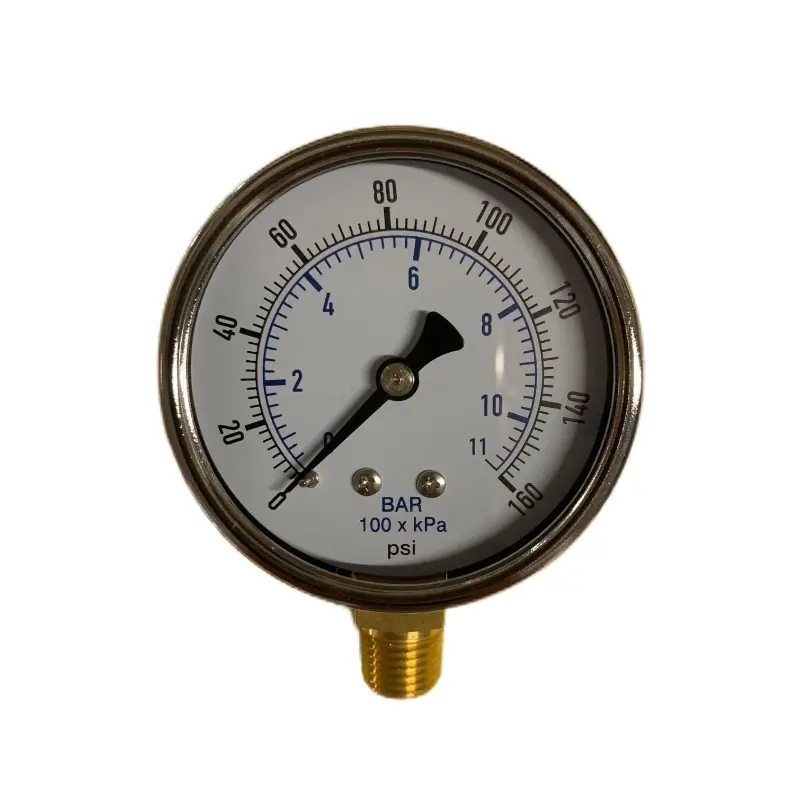
Сухие манометры имеют конструкцию без жидкостного заполнения, что обеспечивает экономичное и надежное решение для измерений в стандартных промышленных условиях.
5 основных характеристик сухих манометров
- Высокая рентабельность – 20-40% имеет более низкую стоимость закупки по сравнению с жидконаполненными типами.
- Широкоугольный обзор – Отсутствие рефракции жидкости, четкие показания под углом обзора до 160°.
- Легкая конструкция – 25% легче по весу, проще установка.
- Нулевой риск утечки – Исключает риск утечки и загрязнения среды.
- Низкие требования к обслуживанию – Простая конструкция с низкими затратами на обслуживание.
Рекомендуемые области применения сухих манометров
- Системы отопления, вентиляции и кондиционирования воздуха
- Общепромышленные пневматические регуляторы
- Мониторинг давления воды в помещении
- Лабораторное испытательное оборудование
- Производственное оборудование с низким уровнем вибрации
- Стандартные приложения, чувствительные к бюджету
Жидкостные и сухие манометры: 7 основных параметров выбора
1. Адаптация к вибрационной среде
- Условия с высокой вибрацией (>0,5g): Рекомендуются манометры, заполненные жидкостью..
- В условиях низкого уровня вибрации: может быть достаточно сухих датчиков.
2. Требования к стабильности давления
- Источники пульсирующего давления: Жидкостно-наполненные манометры имеют важное значение.
- Стабильные источники давления: можно использовать любой тип.
3. Жесткость окружающей среды
- Коррозионные, влажные или пыльные условия: Жидкостно-наполненные манометры — лучший выбор.
- Чистые, сухие помещения: достаточно сухих манометров.
4. Диапазон изменения температуры
- Среды с разницей температур >30°C: Выбирайте жидкостные манометры.
- Постоянная температура окружающей среды: подходят сухие датчики.
5. Бюджетные соображения
- Ограниченный первоначальный бюджет: рассмотрите возможность использования сухих манометров.
- Сосредоточьтесь на долгосрочной совокупной стоимости владения: жидкостные датчики более экономичны.
6. Требования к уровню безопасности
- Критически важные приложения безопасности: Отдавайте приоритет жидкостным датчикам.
- Общие цели мониторинга: выбор на основе конкретных потребностей.
7. Возможность технического обслуживания
- Профессиональная команда по техническому обслуживанию: оба типа жизнеспособны.
- Ограниченные ресурсы для обслуживания: сухие датчики проще.
Руководство по выбору промышленного манометра: 5 шагов к выбору наилучшего решения
Шаг 1: Оценка воздействия на окружающую среду
Документируйте уровни вибрации, диапазоны температуры/влажности и наличие едких веществ в рабочей среде.
Шаг 2: Анализ приложения
Уточните тип давления (постоянное/пульсирующее), диапазон измерения и требования к точности.
Шаг 3: Расчет стоимости
Сравните первоначальные затраты на закупку с совокупной стоимостью владения (TCO) за 3–5 лет.
Шаг 4: Оценка безопасности
Определите уровень безопасности приложения и серьезность последствий отказа.
Шаг 5: Консультация эксперта
Получите профессиональную консультацию по выбору от технической команды поставщика.
Часто задаваемые вопросы: жидкостные и сухие манометры
В1: Можно ли устанавливать жидкостные манометры в любом положении?
A: Для оптимальной производительности жидкостные манометры рекомендуется устанавливать вертикально, с углом наклона не более 15°.
В2: Можно ли использовать сухие манометры на открытом воздухе?
О: Не рекомендуется. Сухие манометры чувствительны к изменениям температуры и влажности. Для использования на открытом воздухе выбирайте жидкостные манометры со степенью защиты IP65 или выше.
В3: Может ли протекать заполняющая жидкость в жидкостных манометрах?
A: Высококачественные жидкостные манометры имеют конструкцию с тройным уплотнением, обеспечивающую утечку менее 0,01% в год. Выбор надежных брендов минимизирует этот риск.
В4: В чем разница в циклах калибровки между этими двумя типами?
A: Жидкостно-наполненные манометры обычно имеют более длительные интервалы калибровки (12–24 месяца), тогда как сухие манометры рекомендуется калибровать каждые 6–12 месяцев.
В5: Чем объясняется разница в цене?
A: Более высокая цена жидкостных уровнемеров обусловлена использованием специальных заполняющих сред, усовершенствованной системой герметизации, виброустойчивой конструкцией и более длительным сроком службы.
Профессиональный совет: избегайте этих распространенных ошибок при выборе
- Не принимайте решение только на основе цены. – В суровых условиях недорогие сухие манометры могут потребовать замены в течение нескольких месяцев.
- Осмотр места установки – 50% отказов манометров происходит из-за недостаточного учета факторов окружающей среды при выборе.
- Недооценка воздействия вибрации – Даже «незначительная» вибрация со временем может повредить внутренний механизм сухих датчиков.
- Запутанные сценарии применения – Коррозионностойкие жидкостные манометры необходимы для работы в химических средах.
- Пропуск профессиональной консультации – Бесплатные услуги технического подбора помогут избежать дорогостоящих ошибок.
Заключение: как выбрать наиболее подходящий промышленный манометр?
Как жидкостные, так и сухие манометры представляют собой проверенные промышленные решения для измерения давления. Ключевым моментом является выбор, основанный на конкретных требованиях к применению:
- Выберите жидкостный манометр когда вам требуется максимальная надежность, самый длительный срок службы и лучшая устойчивость к суровым условиям окружающей среды.
- Выберите сухой манометр когда среда применения мягкая, бюджет ограничен, а ресурсы для обслуживания просты.
Как профессиональный поставщик манометров, мы предлагаем полный спектр решений для измерения давления, как с жидкостным, так и без него, охватывающих весь диапазон измерений от 0 до 100 МПа. Наша техническая команда предоставляет бесплатные консультации по выбору, чтобы помочь вам подобрать оптимальное измерительное решение для вашей задачи.
Получите профессиональную консультацию по выбору прямо сейчас: Посетите наш Центр продукции или свяжитесь с техническим консультантом для получения индивидуальных планов выбора манометров и технической поддержки.