

Liquid-Filled vs. Dry Pressure Gauges: How to Choose the Right Pressure Gauge for Your Industrial Application
Release time: 2025-12-03
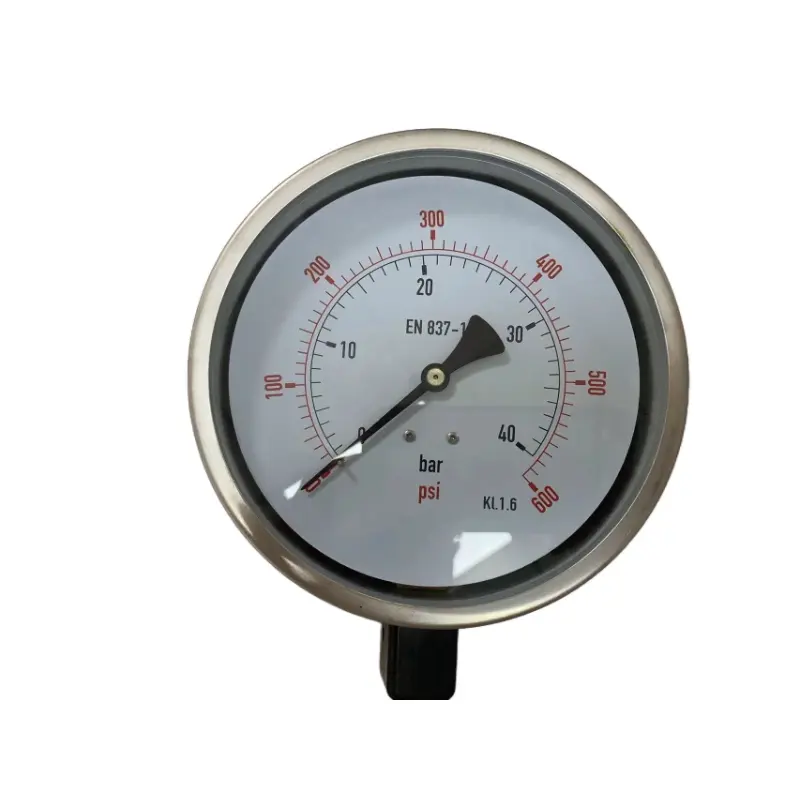
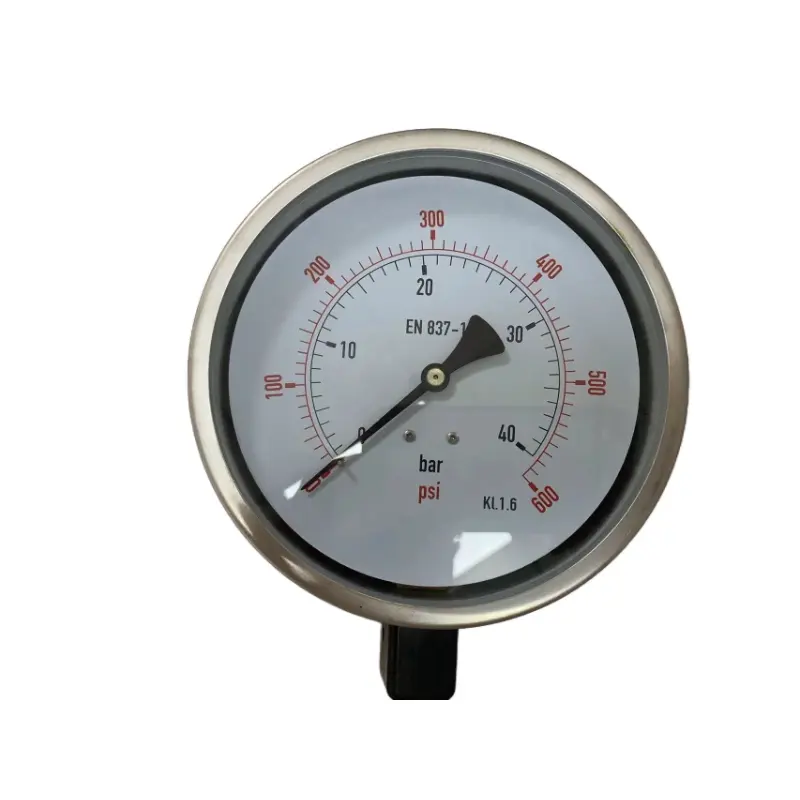
In the field of industrial measurement, selecting the right pressure gauge is crucial for equipment safety and production efficiency. Liquid-filled pressure gauges and dry pressure gauges are two mainstream technologies, each with unique advantages and suitable applications. This article provides an in-depth analysis of the differences between these two types of pressure gauges to help you make an informed decision.
Table of Contents
What is a Liquid-Filled Pressure Gauge? Advantages and Applications
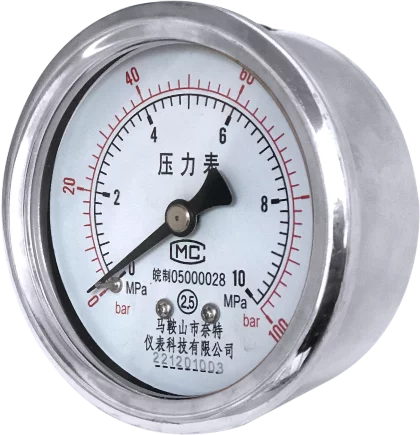
Liquid-filled pressure gauges (also known as liquid-filled gauges) are internally filled with media such as glycerin or silicone oil, providing superior protection for harsh industrial environments.
7 Core Advantages of Liquid-Filled Pressure Gauges
- Excellent Vibration Damping – The fill fluid effectively absorbs mechanical vibration, ensuring stable pointer movement.
- Pulsation Resistance – Smoothes pressure fluctuations for stable readings.
- Full Environmental Protection – Prevents ingress of moisture, corrosive gases, and dust.
- Wide Temperature Adaptability – Prevents fogging on the dial, suitable for environments from -20°C to 60°C.
- Long-Term Lubrication – Reduces internal mechanical wear, extending service life by over 30%.
- Anti-Condensation Properties – Ideal for workplaces with significant temperature and humidity changes.
- Vibration Resistance Certification – Complies with ISO 17853 industrial vibration resistance standards.
Industries Suitable for Liquid-Filled Pressure Gauges
- Pressure monitoring in petrochemical equipment
- Hydraulic systems for mining machinery
- Marine and offshore engineering equipment
- Reciprocating compressor monitoring
- Industrial pump station pressure control
- Critical systems in power plants
What is a Dry Pressure Gauge? An Economical Industrial Pressure Gauge Solution
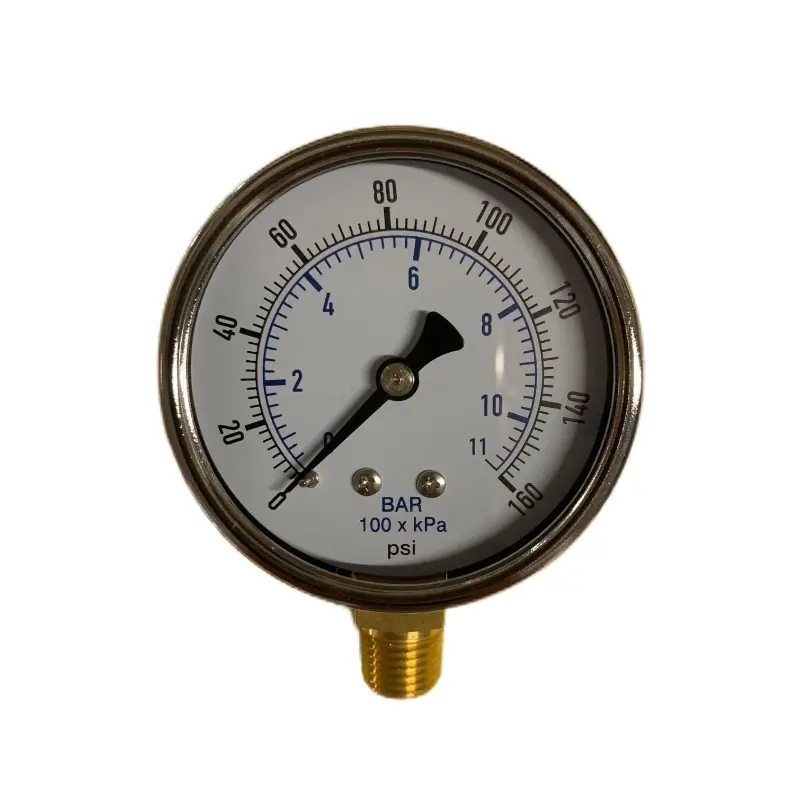
Dry pressure gauges feature a non-liquid-filled design, providing a cost-effective and reliable measurement solution for standard industrial environments.
5 Key Features of Dry Pressure Gauges
- High Cost-Effectiveness – 20-40% lower procurement cost compared to liquid-filled types.
- Wide-Angle Visibility – No liquid refraction, clear readings from up to a 160° viewing angle.
- Lightweight Design – 25% lighter weight, easier installation.
- Zero Leakage Risk – Eliminates the risk of media leakage and contamination.
- Low Maintenance Requirements – Simple structure with low maintenance costs.
Recommended Applications for Dry Pressure Gauges
- HVAC systems
- General industrial pneumatic controls
- Indoor water pressure monitoring
- Laboratory test equipment
- Low-vibration production equipment
- Budget-sensitive standard applications
Liquid-Filled vs. Dry Pressure Gauges: 7 Key Selection Dimensions
1. Vibration Environment Adaptability
- High-vibration environments (>0.5g): Liquid-filled gauges are recommended.
- Low-vibration environments: Dry gauges may suffice.
2. Pressure Stability Requirements
- Pulsating pressure sources: Liquid-filled gauges are essential.
- Stable pressure sources: Either type can be used.
3. Environmental Harshness
- Corrosive, damp, or dusty conditions: Liquid-filled gauges are the best choice.
- Clean, dry indoor environments: Dry gauges are adequate.
4. Temperature Variation Range
- Environments with temperature differences >30°C: Choose liquid-filled gauges.
- Constant temperature environments: Dry gauges are suitable.
5. Budget Considerations
- Limited initial budget: Consider dry gauges.
- Focus on long-term total cost of ownership: Liquid-filled gauges are more economical.
6. Safety Level Requirements
- Critical safety applications: Prioritize liquid-filled gauges.
- General monitoring purposes: Choose based on specific needs.
7. Maintenance Capability
- Professional maintenance team: Both types are viable.
- Limited maintenance resources: Dry gauges are simpler.
Industrial Pressure Gauge Selection Guide: 5 Steps to Determine the Best Solution
Step 1: Environmental Assessment
Document vibration levels, temperature/humidity ranges, and presence of corrosive substances in the working environment.
Step 2: Application Analysis
Clarify pressure type (steady/pulsating), measurement range, and accuracy requirements.
Step 3: Cost Calculation
Compare initial procurement costs with the 3-5 year Total Cost of Ownership (TCO).
Step 4: Safety Evaluation
Determine the safety level of the application and the severity of failure consequences.
Step 5: Expert Consultation
Obtain professional selection advice from the supplier’s technical team.
Frequently Asked Questions: Liquid-Filled vs. Dry Pressure Gauges
Q1: Can liquid-filled pressure gauges be installed in any position?
A: Liquid-filled gauges are recommended to be installed vertically for optimal performance, with a tilt angle not exceeding 15°.
Q2: Can dry pressure gauges be used outdoors?
A: Not recommended. Dry gauges are sensitive to temperature and humidity changes. For outdoor use, choose liquid-filled gauges with an IP65 or higher protection rating.
Q3: Can the fill fluid in liquid-filled gauges leak?
A: High-quality liquid-filled gauges feature a triple-seal design with a leakage rate below 0.01% per year. Choosing reputable brands minimizes this risk.
Q4: What is the difference in calibration cycles between the two types?
A: Liquid-filled gauges typically have longer calibration intervals (12-24 months), while dry gauges are recommended for calibration every 6-12 months.
Q5: What accounts for the price difference?
A: The higher price of liquid-filled gauges is due to special fill media, enhanced sealing systems, vibration-resistant construction, and longer service life.
Professional Advice: Avoid These Common Selection Mistakes
- Don’t decide based on price alone – In harsh environments, inexpensive dry gauges may need replacement within months.
- Overlooking the installation environment – 50% of pressure gauge failures stem from insufficient consideration of environmental factors during selection.
- Underestimating vibration impact – Even “slight” vibration can damage the internal mechanism of dry gauges over time.
- Confusing application scenarios – Corrosion-resistant liquid-filled gauges are essential for chemical environments.
- Skipping professional consultation – Free technical selection services can help avoid costly mistakes.
Conclusion: How to Choose the Most Suitable Industrial Pressure Gauge?
Both liquid-filled and dry pressure gauges are mature industrial measurement solutions. The key is to choose based on your specific application needs:
- Choose a liquid-filled pressure gauge when you require maximum reliability, longest service life, and the best resistance to harsh environments.
- Choose a dry pressure gauge when the application environment is mild, the budget is limited, and maintenance resources are simple.
As a professional pressure gauge supplier, we offer a full range of liquid-filled and dry pressure gauge solutions, covering the full measurement range from 0-100 MPa. Our technical team provides free selection consultation services to ensure you get the most suitable measurement solution for your application.
Get Professional Selection Advice Now: Visit our Product Center or contact a technical consultant for customized pressure gauge selection plans and technical support.