

Do Liquid Filled Pressure Gauges Improve Accuracy?
Release time: 2026-03-27
In industrial measurement systems, accuracy and stability are critical for ensuring safe and efficient operations. Among various types of gauges, liquid filled pressure gauges are widely used in demanding environments. But do they actually improve accuracy, or are they mainly designed for durability?
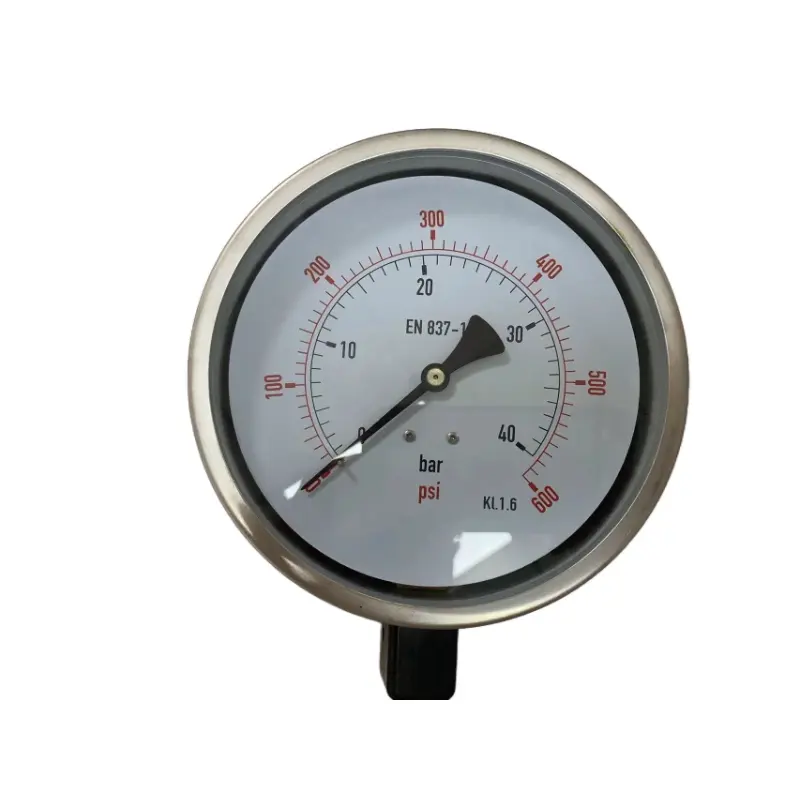
This article explores how liquid-filled gauges work, their impact on measurement accuracy, and when they are the best choice for your application.
What Is a Liquid Filled Pressure Gauge?
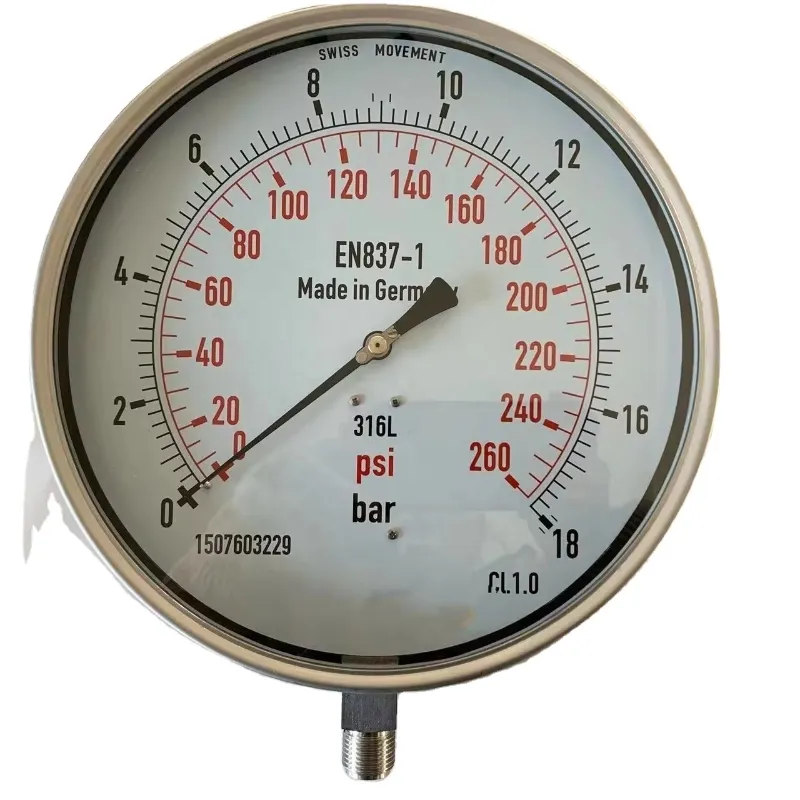
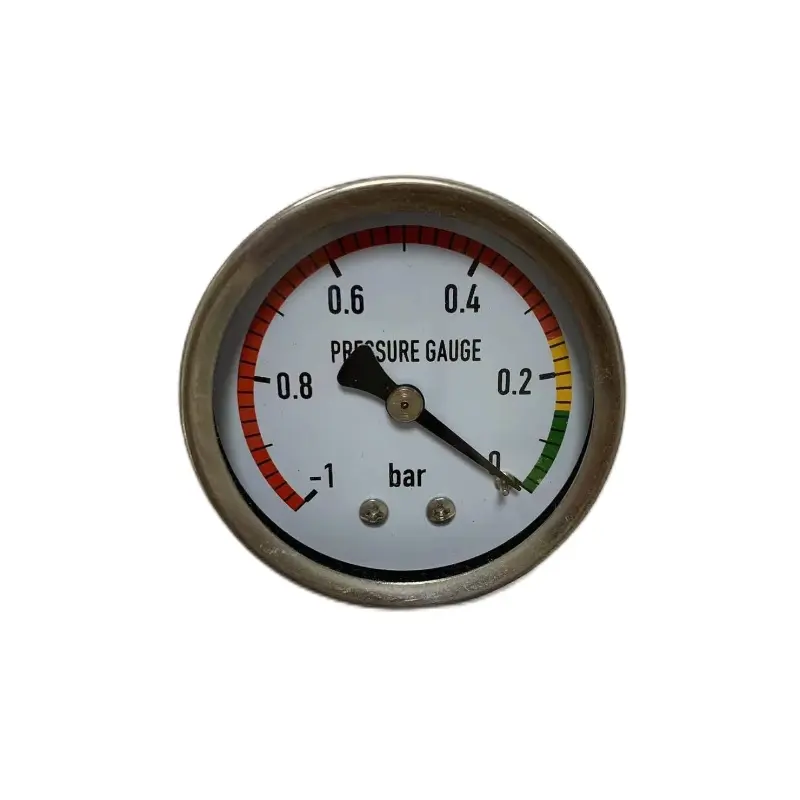
A liquid filled pressure gauge is a mechanical pressure gauge filled with a liquid—typically glycerin or silicone—inside the casing. The liquid surrounds the internal components, including the Bourdon tube and movement mechanism.
The primary purpose of the liquid is not just protection, but also to enhance performance in harsh conditions such as vibration, pulsation, and temperature fluctuations.
Do Liquid Filled Pressure Gauges Improve Accuracy?
The short answer is: yes, but indirectly.
Liquid filled pressure gauges do not inherently increase the baseline accuracy of the gauge mechanism itself. However, they significantly improve reading stability, which leads to more reliable and consistent measurements in real-world conditions.
1. Reduced Pointer Vibration
In high-vibration environments, dry gauges often show fluctuating readings due to pointer movement. The liquid inside a filled gauge dampens this vibration, resulting in:
- Steadier needle movement
- Easier reading interpretation
- Reduced human error
2. Improved Performance in Pulsating Pressure Systems
Systems such as pumps and compressors often generate pressure spikes. A liquid filled pressure gauge absorbs these pulsations, helping to:
- Smooth out rapid pressure changes
- Provide more consistent readings
- Prevent misleading fluctuations
3. Protection of Internal Components
The liquid acts as a lubricant and protective barrier, reducing wear and tear on internal parts. This leads to:
- Longer lifespan
- Maintained calibration over time
- Sustained measurement reliability
When Do Liquid Filled Gauges Make the Biggest Difference?
Liquid filled pressure gauges are especially beneficial in the following applications:
- Hydraulic systems with constant vibration
- Oil and gas operations with pressure fluctuations
- Industrial machinery exposed to mechanical shock
- Outdoor environments with temperature variations
In these scenarios, a standard dry gauge may provide technically accurate readings but will be harder to read and less reliable over time.
Liquid Filled vs Dry Pressure Gauges
| Feature | Liquid Filled Gauge | Dry Gauge |
|---|---|---|
| Vibration resistance | Excellent | Poor |
| Reading stability | High | Low in harsh conditions |
| Accuracy consistency | More reliable over time | Can fluctuate |
| Maintenance | Lower | Moderate |
| Cost | Slightly higher | Lower |
While dry gauges may be suitable for stable environments, liquid filled pressure gauges are the preferred choice for demanding industrial applications.
Are There Any Limitations?
Although liquid filled gauges offer many benefits, there are a few considerations:
- Slightly higher initial cost
- Possible liquid expansion in extreme heat
- Not always necessary for low-vibration environments
Choosing the right type depends on your specific working conditions.
Conclusion
So, do liquid filled pressure gauges improve accuracy? While they may not enhance the intrinsic accuracy of the measuring mechanism, they significantly improve stability, readability, and long-term reliability.
For industries where vibration, pulsation, and harsh conditions are common, investing in a liquid filled pressure gauge is a smart decision that ensures more dependable pressure monitoring.