

5 Key Factors to Consider Before Buying a Glycerin-Filled Pressure Gauge
Release time: 2026-02-25
Table of Contents
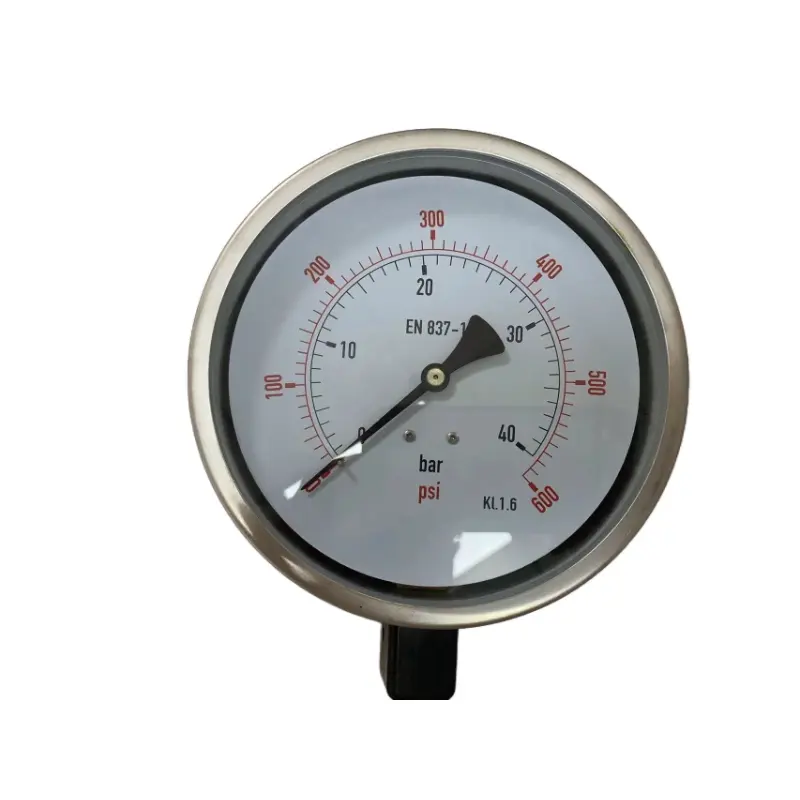
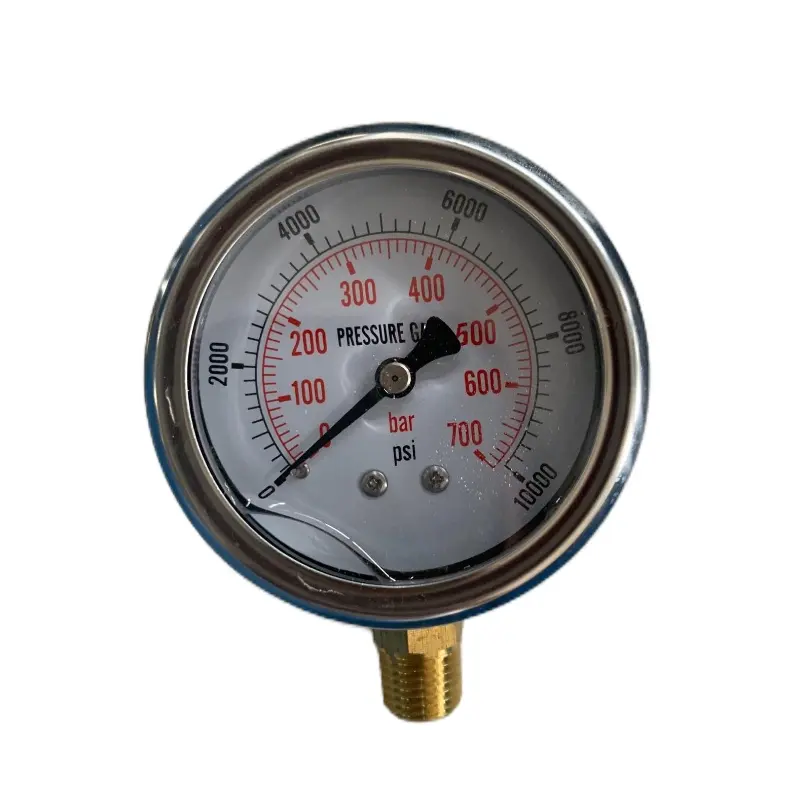
A glycerin-filled pressure gauge is an essential instrument for monitoring pressure in industrial systems, hydraulic applications, and high-vibration environments. Choosing the right gauge ensures accurate readings, longevity, and safe operation. Here are 5 key factors to consider before making your purchase.
1. Accuracy and Measurement Range
Accuracy is the most critical factor when selecting a glycerin-filled pressure gauge. Depending on your application, you may require high-precision measurements.
Consider:
- The required pressure range (e.g., 0–100 psi, 0–600 bar).
- The accuracy class of the gauge (typically 1.0% or 1.6% of full scale).
- Application-specific tolerances for precise readings.
Ensuring proper measurement accuracy prevents system malfunctions and ensures safe operation.
2. Durability and Vibration Resistance
One of the main advantages of glycerin-filled gauges is their ability to withstand vibrations and pulsations. The glycerin acts as a damping fluid, reducing needle oscillation and wear.
Tips:
- Check if the gauge is stainless steel or brass, depending on corrosion resistance requirements.
- Ensure the casing and internal components are robust for harsh environments.
- Confirm the gauge can handle mechanical shocks or pressure spikes.
Durable gauges reduce maintenance needs and prolong service life.
3. Connection Type and Size
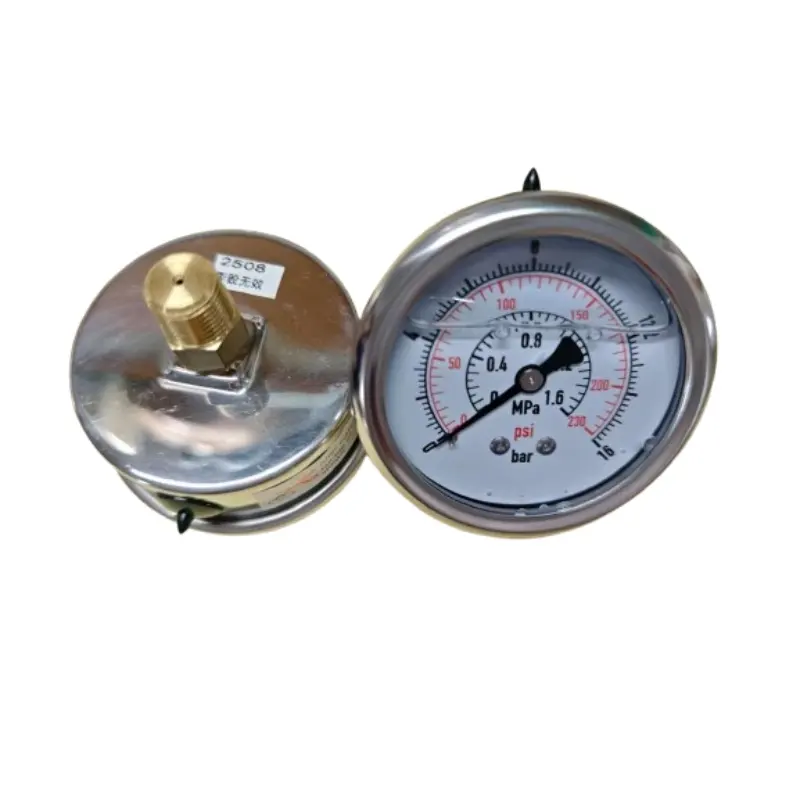
Proper connection ensures easy installation and reliable operation. Glycerin-filled pressure gauges come with various connection types such as bottom mount, back mount, or panel mount.
Consider:
- Thread type and size (e.g., 1/4”, 1/2” NPT or BSP).
- Mounting position to match your system setup.
- Compatibility with existing fittings and piping.
Choosing the right connection type ensures leak-free and stable operation.
4. Temperature and Media Compatibility
The gauge must be compatible with the operating environment and the fluid it measures.
Check:
- Operating temperature range (some gauges can handle -40°C to 100°C or higher).
- Compatibility with the media (water, oil, air, hydraulic fluids).
- Whether glycerin filling is suitable for your environment (silicone-filled gauges may be preferred for extreme temperatures).
This ensures long-term reliability and avoids gauge failure.
5. Supplier Reputation and Warranty
Even the best glycerin-filled pressure gauge is only as good as the supplier. Choosing a reputable supplier guarantees quality, spare parts availability, and after-sales support.
Tips:
- Look for suppliers with proven experience in industrial instrumentation.
- Verify warranty and technical support options.
- Check if calibration services or certifications are provided.
Reliable suppliers help prevent downtime and protect your investment.
Conclusion
A glycerin-filled pressure gauge is an indispensable tool for monitoring industrial pressure safely and accurately. By considering accuracy, durability, connection type, media compatibility, and supplier reputation, you can make a smart purchase that ensures long-term performance and reliability.
Investing in the right gauge reduces maintenance costs, improves system safety, and enhances operational efficiency.
FAQ
Q1: Why should I choose a glycerin-filled pressure gauge instead of a dry gauge?
A: Glycerin-filled gauges are vibration-resistant, reduce needle oscillation, and last longer in harsh environments.
Q2: Can glycerin-filled gauges be used with hydraulic fluids?
A: Yes, most glycerin-filled pressure gauges are compatible with water, oil, air, and hydraulic fluids. Always check media compatibility.
Q3: How often should I calibrate my glycerin-filled pressure gauge?
A: Calibration is recommended every 12 months or as specified by the manufacturer, depending on usage intensity.
Q4: Are glycerin-filled gauges suitable for high-temperature environments?
A: Standard glycerin gauges handle moderate temperatures, but for extreme conditions, silicone-filled gauges may be more suitable.